
In the world of electrical enclosures, the "finish" is more than just an aesthetic choice—it is the primary defense against corrosion. For a cabinet lock, which is the most handled part of the enclosure, the surface treatment determines whether the hardware will last 10 years or fail within six months.
If you are specifying hardware for outdoor, industrial, or coastal applications, here is a deep dive into the three most common surface treatments and how they perform in the "real world."
1. Chrome Plating: The Classic Choice
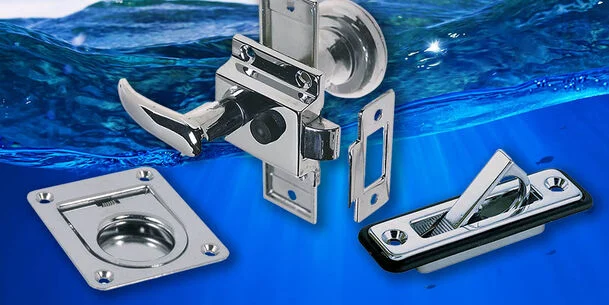
Chrome plating (specifically Bright or Satin Chrome) is a traditional favorite for industrial hardware. It involves electroplating a thin layer of chromium onto a zinc alloy or steel base.
- Pros: High surface hardness, excellent wear resistance (it won't scratch easily from keys), and a premium professional look.
- Cons: Moderate corrosion resistance. Standard chrome plating typically lasts between 24 to 72 hours in a Salt Spray Test (SST).
- Best For: Indoor server racks, climate-controlled control rooms, and office-grade electrical panels.
2. Powder Coating: The Industrial Workhorse
Powder coating involves applying a dry powder (usually epoxy or polyester) electrostatically and then curing it under heat to form a "skin."
- Pros: Thick protective layer, excellent UV resistance, and available in any color (like RAL 7035 Grey or Black). It provides a more uniform seal around complex shapes.
- Cons: If the coating is chipped or scratched, corrosion can "creep" underneath the layer and lift the finish.
- Salt Spray Performance: Typically survives 200 to 500 hours depending on the pre-treatment.
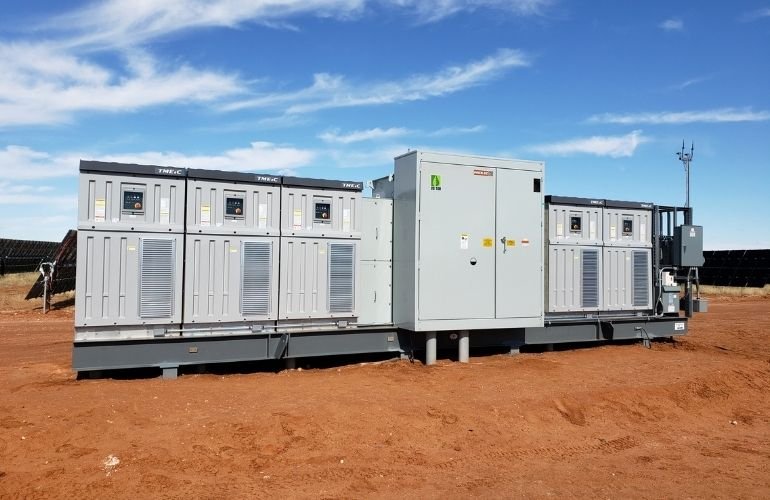
- Best For: Outdoor power cabinets, telecommunication base stations, and general industrial machinery.
3. Nano-Spraying (Ceramic/Nano-Coating): The High-Tech Frontier
Nano-spraying is a relatively new technology in the hardware industry. It uses molecular-level particles to create an ultra-thin, high-density protective film.
- Pros: Superior corrosion resistance. It can reach 1,000+ hours in Salt Spray Tests. It is also "self-cleaning" (hydrophobic) and resistant to chemical acids and alkalis.
- Cons: Higher initial cost than standard finishes and requires specialized application equipment.
- Salt Spray Performance: Frequently exceeds 720 - 1,000 hours.
- Best For: Coastal solar farms, offshore wind turbines, chemical processing plants, and marine environments.
4. Technical Comparison Table
| Feature | Cromado | Recubrimiento en polvo | Nano-Spraying |
|---|---|---|---|
| Resistencia a la corrosión | Low to Moderate | Alta | Extreme |
| Wear Resistance | Excellent (Hard) | Moderate | Alta |
| UV Stability | Good | Excellent | Excellent |
| Salt Spray (SST) | 24 - 96 Hours | 200 - 500 Hours | 720 - 1000+ Hours |
| Typical Environment | Indoor / Controlled | Outdoor / Industrial | Marine / Chemical |
5. Why the "Salt Spray Test" (SST) Matters for Procurement
When reviewing a supplier's datasheet, look for the ASTM B117 o ISO 9227 standards.
In B2B procurement, don't just ask if a lock is "waterproof." Ask for the SST Hour Rating.
- If your cabinet is within 5km of the ocean, you should specify a minimum of 500 hours SST.
- For inland industrial use, 120 - 240 hours is usually sufficient.
6. Summary: Choosing the Right Finish for Your ROI
Selecting a cheaper finish might save $1.00 per lock today, but the cost of sending a technician to a remote site to replace a seized, rusted lock can be $500 or more.
- Specify Chrome for aesthetics and indoor durability.
- Specify Powder Coating for outdoor versatility and UV protection.
- Specify Nano-Spraying for "install and forget" reliability in extreme environments.
Consult with Our Materials Experts
Not sure which finish meets your project's environmental category (C1 to C5-M)? We provide certified Salt Spray Test reports for all our MS-series locks.




 Spanish
  English
  French
  German
  Japanese
  Arabic
  Korean
  Swedish
  Dutch
Dutch  Greek
Greek  Hindi
Hindi  Hebrew
  Italian
  Vietnamese
  Thai
Thai  Bulgarian
  Czech
Czech  Slovak
  Hungarian
  Finnish