

Every year, our production floor burns through thousands of cam latches 1, and scattered purchasing was quietly eating our margins alive.
You can reduce cam latch costs by centralizing all hardware purchases under one procurement team, consolidating suppliers, and negotiating tiered pricing contracts that unlock progressive volume discounts — typically saving 10–25% on unit costs while cutting administrative overhead and logistics expenses.
In this guide, we break down the exact steps — from spend analysis 2 to supplier consolidation to tiered pricing 3 negotiation — so you can apply these strategies to your own cam latch procurement immediately. Let's dig in.
How can I leverage tiered pricing to lower my unit costs for industrial cam latches?
When we first started quoting cam latches for OEM clients across North America, we noticed something surprising: buyers ordering 500 units paid nearly 30% more per piece than those ordering 2,000 supplier consolidation 4.
Tiered pricing lowers your cam latch unit costs by committing to higher volume thresholds with your supplier. As quantities increase — for example, from 500 to 1,000 to 5,000 units — the price per latch drops progressively, rewarding consolidated demand with built-in discounts at each tier.
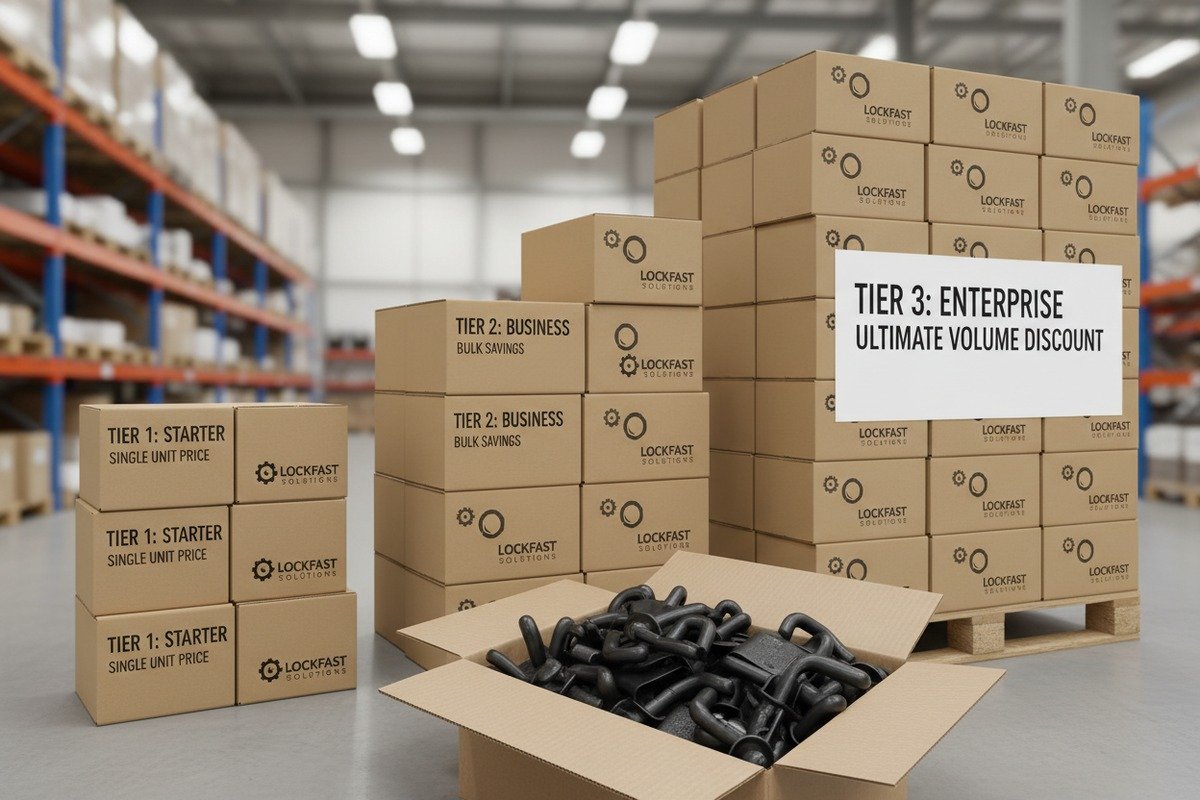
What Is Tiered Pricing and How Does It Work?
Tiered pricing is simple. Your supplier sets price brackets based on order quantity e-procurement tools 5. The more you buy, the less each unit costs. This is not a secret — it is standard practice in industrial hardware. But many buyers never ask for a formal tier schedule.
Here is a typical tiered pricing structure we offer for our zinc alloy cam latches:
| Order Quantity | Unit Price (USD) | Savings vs. Base |
|---|---|---|
| 1 – 499 | $3.80 | — |
| 500 – 999 | $3.40 | 10.5% |
| 1,000 – 2,499 | $3.05 | 19.7% |
| 2,500 – 4,999 | $2.75 | 27.6% |
| 5,000+ | $2.50 | 34.2% |
The savings compound quickly. If you are ordering 300 cam latches per quarter across four facilities, that is 1,200 units per quarter — enough to jump two tiers simply by placing a single consolidated order.
How to Negotiate Better Tiers
Start by sharing your annual forecast with your supplier. On our end, when a client shows us a 12-month demand projection, our engineering and production teams can plan material purchases and tooling runs more efficiently. That efficiency gets passed back as a discount.
Ask your supplier three questions:
- What are your current tier breakpoints?
- Can we lock in a tier for 6 or 12 months based on a volume commitment?
- Is there flexibility to blend SKUs — for example, combining cam latches and swing handle latches into one volume pool?
Blending SKUs is an underused tactic. If you buy cam latches, compression latches, and panel hinges from the same manufacturer, ask to aggregate all those quantities into a single tiered structure. This is something we actively encourage at Hingelocks because it simplifies production scheduling on our side, too.
Watch Out for Volume Traps
Tiered pricing has risks. If you commit to 5,000 units to hit a better price but only need 3,000, you are stuck with excess inventory. Storage costs, tied-up cash, and potential obsolescence eat into the savings. Always base your tier commitment on realistic demand, not optimistic projections. A good supplier will help you model scenarios — we typically walk clients through a cost-benefit analysis before they sign a volume contract.
Also, do not chase the cheapest tier at the expense of quality. A cam latch that costs $2.50 but fails twice as often as one at $3.05 will cost you more in warranty claims, downtime, and reputation damage. Total Cost of Ownership 6 matters more than unit price alone.
Why should I consolidate my hardware orders through centralized procurement to improve my margins?
Over the past decade, our sales team has watched dozens of procurement managers discover — often with shock — that their own company was buying the same cam latch from three different suppliers at three different prices.
Centralizing your hardware procurement improves margins by eliminating duplicate orders, reducing maverick spending, and concentrating volume with fewer suppliers. This gives you stronger negotiating leverage, consistent pricing, streamlined logistics, and administrative cost reductions of 15–25% per transaction.
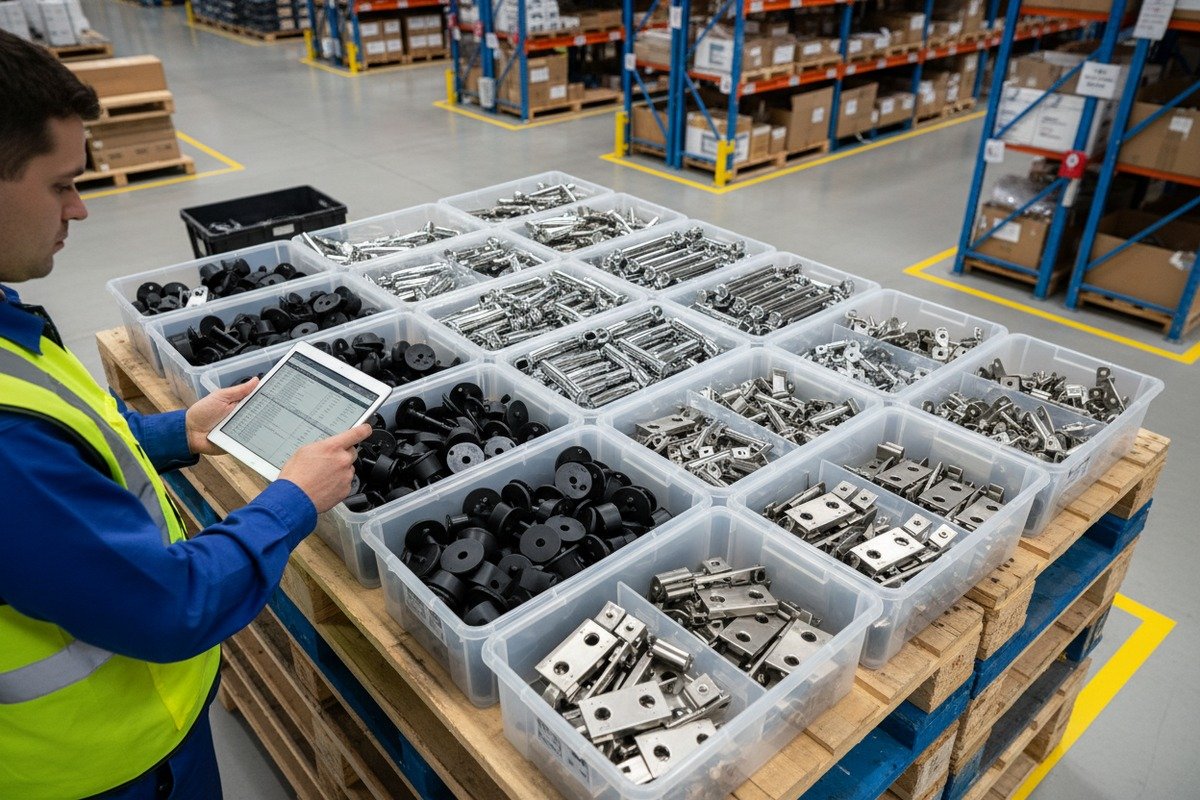
The Fragmentation Problem
In a typical mid-size cabinet manufacturer with multiple plants, each facility often manages its own purchasing. Plant A buys cam latches from Supplier X. Plant B uses Supplier Y. Plant C orders from both — plus a third vendor found on Alibaba last year. Nobody talks to each other.
The result? Wildly inconsistent pricing, redundant SKUs, zero volume leverage, and a nightmare for quality control. According to Hackett Group data from 2024, MRO procurement operations often juggle 50–100 vendors for hardware alone. Spend visibility initiatives can cut procurement costs by up to 43%.
How Centralized Procurement Works
Centralization means one team — or one designated buyer — handles all cam latch purchasing across every facility and department. Here is how the two models compare:
| Factor | Decentralized Procurement 7 | Centralized Procurement |
|---|---|---|
| Supplier count | 5–15 for same part | 1–3 preferred suppliers |
| Pricing consistency | Varies by plant | Uniform contract pricing |
| Volume leverage | Weak (split orders) | Strong (aggregated demand) |
| Admin cost per order | High (duplicate processes) | Low (streamlined workflows) |
| Quality control | Inconsistent | Standardized specifications |
| Maverick spending 8 | Common | Minimized through policy |
Steps to Centralize Your Cam Latch Procurement
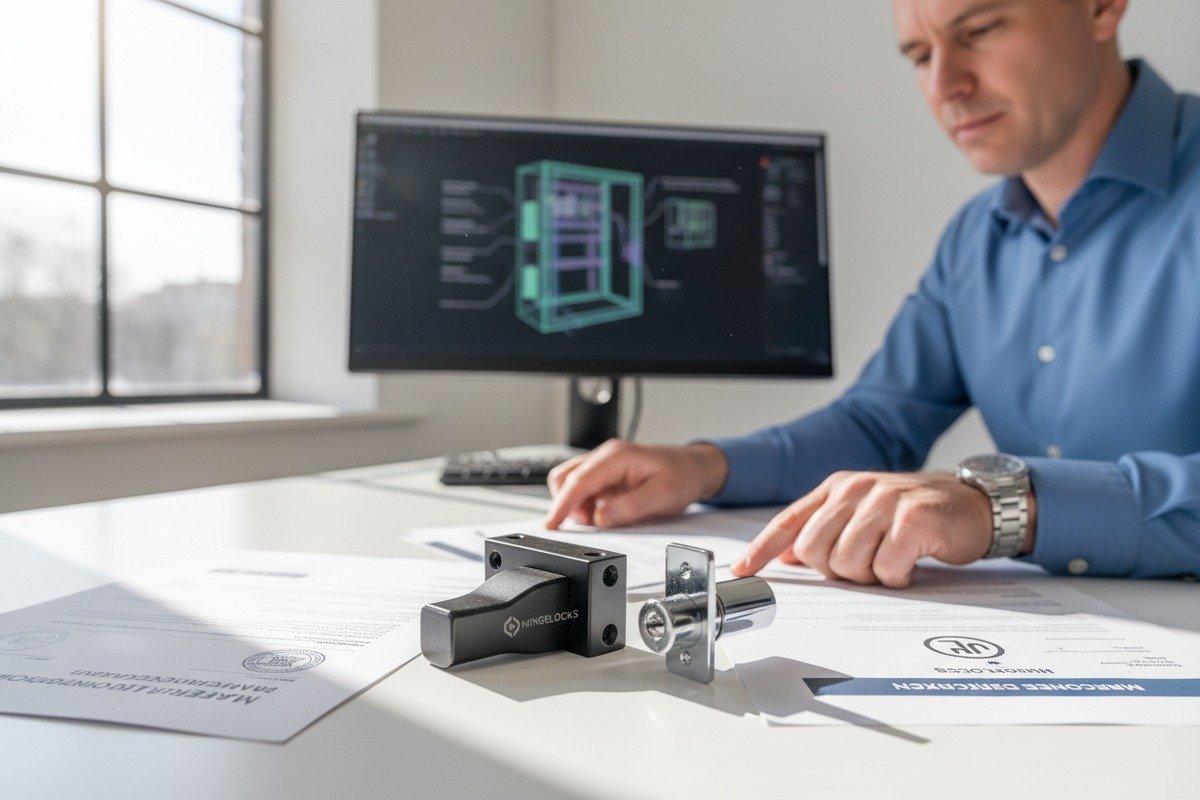
Step 1: Conduct a spend analysis. Map every cam latch purchase across all locations for the past 12 months. Identify every supplier, every SKU, every price point. This alone often reveals 10–15% in immediate savings opportunities.
Step 2: Standardize specifications. Work with your engineering team to reduce cam latch variants. If Plant A uses a triangular drive cam latch and Plant B uses a square drive version for the same application, pick one. Fewer SKUs means higher volume per SKU, which means better pricing.
Step 3: Select preferred suppliers. Cut your vendor list by 20–30%. Choose suppliers who can handle your full volume, offer tiered pricing, and meet your quality and certification requirements — UL, TUV, NEMA 4X, IP66, whatever your market demands.
Step 4: Implement e-procurement tools. Use digital purchasing platforms to enforce compliance. When every order routes through a single system, maverick buys disappear. Automation also speeds up approval cycles, enabling you to capture early-payment discounts of 5–10%.
We have seen clients implement these four steps and reduce total cam latch spending by 20% within six months — without changing a single product specification.
The GPO Alternative
Not every company has the internal resources for full centralization. Group Purchasing Organizations 9 (GPOs) pool buying volume from multiple companies to negotiate bulk pricing. This is a practical middle ground. You get tier-level discounts without building an entire procurement department. The tradeoff: less control over supplier selection and contract terms.
How do I ensure my custom cam latch specifications remain affordable when ordering in bulk?
Our R&D team fields custom requests every week — unique keyways, special finishes, non-standard mounting holes. The number one concern from buyers: "Will customization kill my per-unit cost?"
Custom cam latch specifications stay affordable in bulk when you standardize base platforms, limit unique variants, and commit to annual volume contracts. Suppliers amortize tooling and setup costs over larger runs, so a custom latch at 5,000 units can cost less per piece than a standard latch at 500 units.

The Real Cost of Customization
Customization adds cost in three areas: tooling, materials, and process complexity. A custom die-cast mold for a unique cam latch body can run $2,000–$8,000. A special powder-coat color adds setup time. A non-standard locking arm requires dedicated fixturing.
But here is the critical insight: those are mostly fixed costs. They do not scale with quantity. A $5,000 mold spread across 500 units adds $10.00 per latch. Spread across 5,000 units, it adds $1.00. That is a 90% reduction in the customization premium just by ordering more.
Strategies for Affordable Custom Cam Latches
Use a modular platform. At our facility in Xi'an, we design cam latches with interchangeable components — bodies, arms, drive inserts, and surface finishes. A client can customize the drive socket (triangular, square, or slotted), choose between matte black and polished chrome, and select an L-shaped or straight locking arm — all without requiring new tooling. Only the combination changes, not the base components.
Freeze your spec early. Every revision after production planning begins costs money. Engineering changes mid-run can add 15–20% to the batch cost. Finalize your drawings, material choices, and finish specifications before the order is placed.
Commit to repeat orders. When we know a client will reorder the same custom cam latch quarterly, we retain the tooling, keep the material in stock, and pre-schedule machine time. This reduces lead time from 35 days to as little as 15 days — and we pass those efficiencies on as lower pricing.
Custom vs. Standard: A Cost Comparison
| Scenario | Tooling Cost | Unit Price at 500 pcs | Unit Price at 5,000 pcs |
|---|---|---|---|
| Standard cam latch (off-the-shelf) | $0 | $3.40 | $2.50 |
| Custom finish only (powder coat color) | $300 | $3.75 | $2.60 |
| Custom body + arm (new tooling) | $5,000 | $13.40 | $3.50 |
| Modular custom (existing platform) | $500 | $4.00 | $2.70 |
The modular approach hits the sweet spot. You get a differentiated product at near-standard pricing — especially at volume. This is why we always recommend starting the conversation with what can be achieved on existing platforms before committing to fully custom tooling.
Value Engineering With Your Supplier
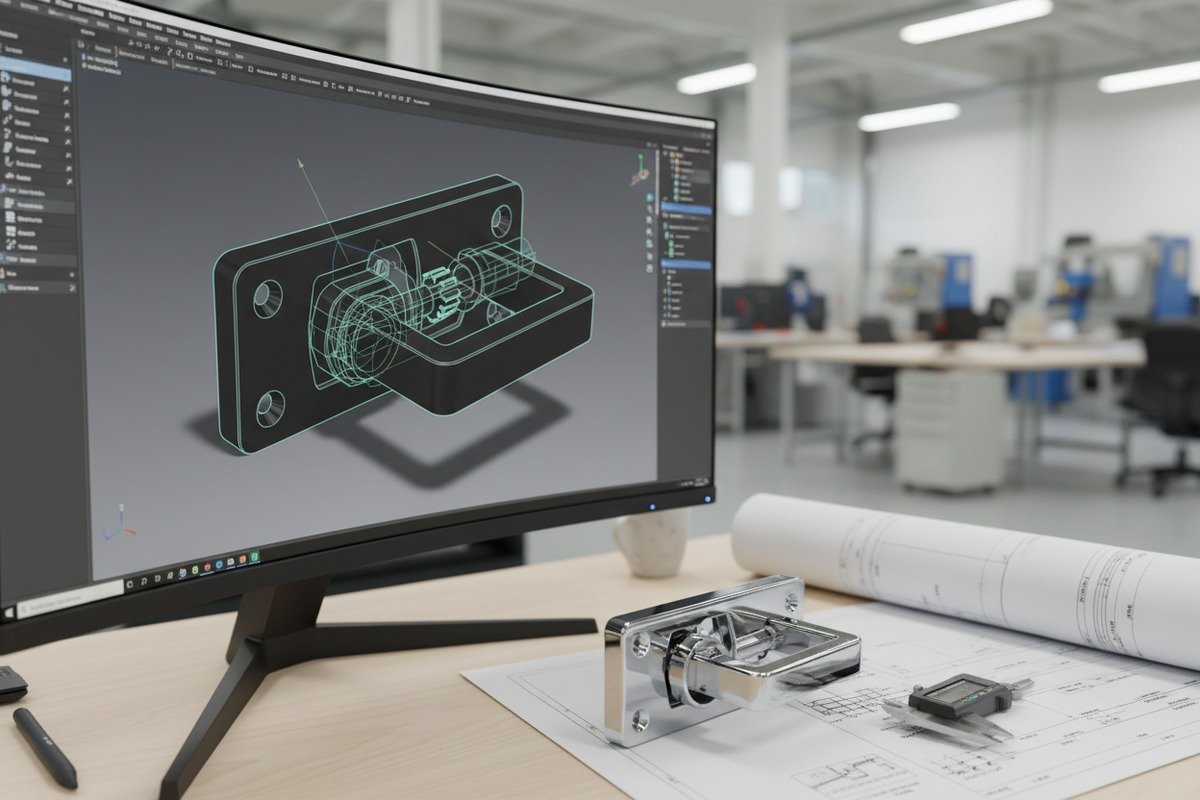
Collaborate with your cam latch manufacturer on material substitution and design optimization. For example, switching from 316 stainless steel to a zinc alloy with chrome plating can cut material costs by 40% while still meeting IP65 and corrosion resistance requirements for most indoor cabinet applications. Our engineering team provides free CAD design services specifically for this kind of optimization work. It is part of how we keep custom orders competitive.
What impact will centralized sourcing have on my logistics costs and lead times for cabinet components?
Shipping costs have been a constant headache for our North American clients since 2023 — container rates swinging wildly, port congestion, and customs delays piling up unpredictably.
Centralized sourcing reduces logistics costs by consolidating shipments into fewer, larger orders routed through optimized freight channels. It also shortens effective lead times by enabling better demand forecasting, reducing order fragmentation, and qualifying suppliers with proven on-time delivery performance.
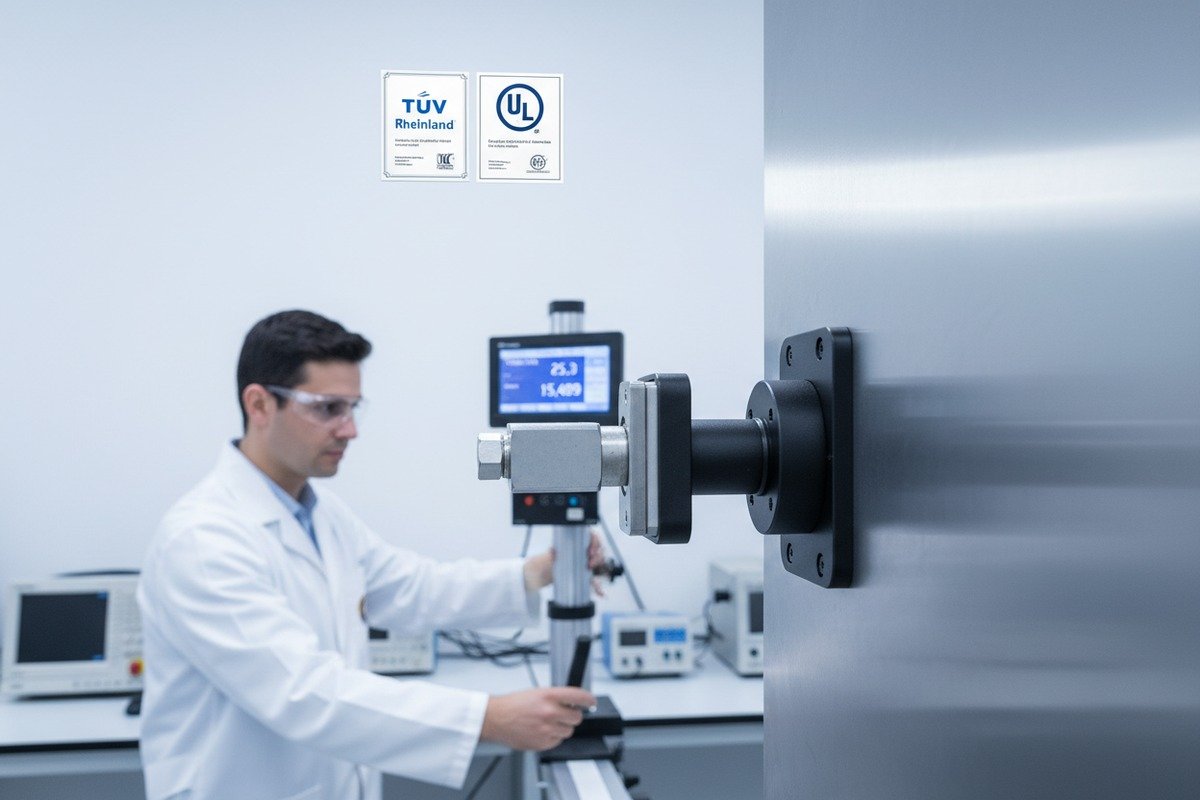
How Fragmented Ordering Inflates Freight Costs
When five plants each place separate cam latch orders, you get five separate shipments. Each shipment incurs its own freight charges, customs brokerage fees, and handling costs. Small orders often ship LCL (Less than Container Load), which means you pay a premium per cubic meter because you are sharing container space.
Centralize those five orders into one monthly or quarterly shipment and you can fill a full container (FCL). The per-unit freight cost drops dramatically.
Freight Cost Comparison: Fragmented vs. Centralized
Consider a real scenario: ordering 1,000 cam latches per month across five locations versus one consolidated monthly order.
| Metric | Fragmented (5 shipments) | Centralized (1 shipment) |
|---|---|---|
| Shipment frequency | 5 per month | 1 per month |
| Freight mode | LCL | FCL or consolidated LCL |
| Average freight per unit | $0.85 | $0.35 |
| Customs entries per month | 5 | 1 |
| Brokerage fees per month | $750 | $150 |
| Monthly logistics cost | $1,600 | $500 |
That is a 69% reduction in logistics costs — real money that drops straight to your bottom line.
Lead Time Benefits
Centralized sourcing does not just save money. It saves time in ways that are less obvious but equally important.
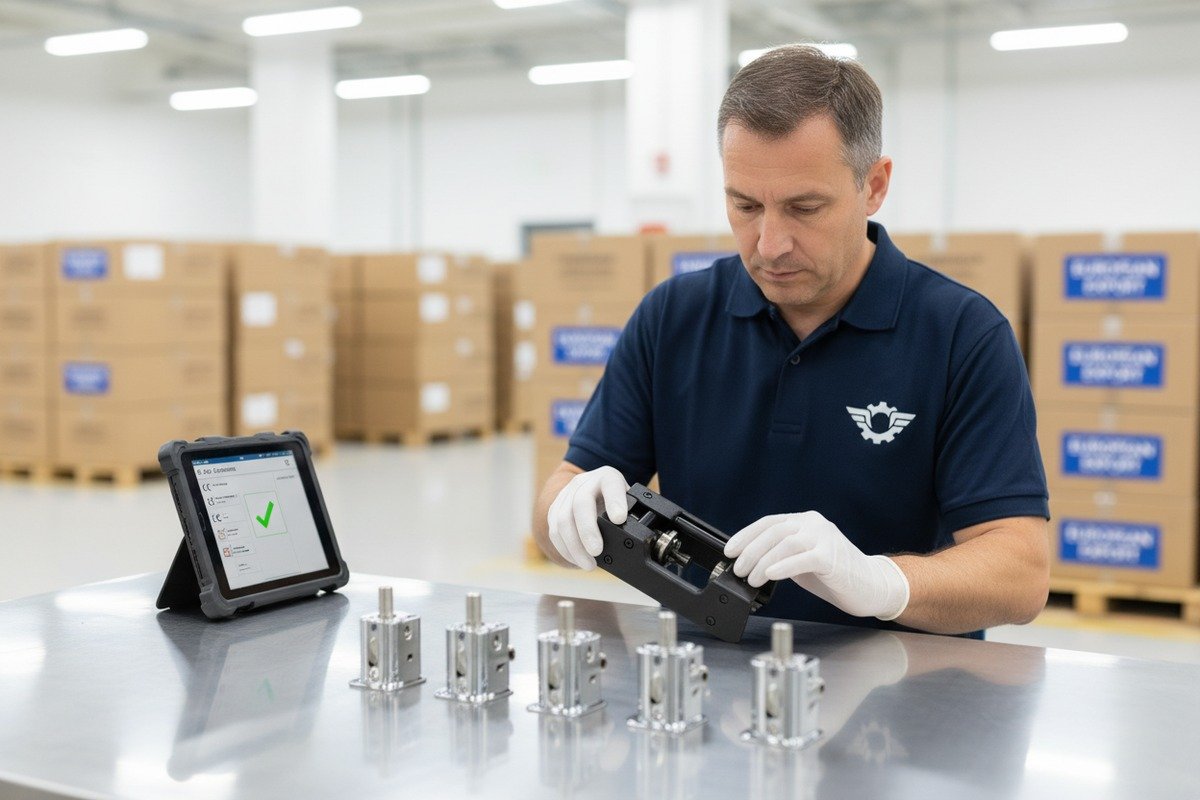
Predictable ordering cycles. When your supplier knows you will place a 5,000-unit order every quarter, they can pre-stage raw materials. At our factory, we maintain buffer stock of zinc alloy blanks and chrome plating chemicals for committed clients. This means production starts immediately upon order confirmation instead of waiting for material procurement.
Fewer order errors. Fragmented orders mean fragmented communications. Different buyers at different plants may specify slightly different versions of the same cam latch. Errors lead to returns, re-shipments, and delays. One centralized order with one clear specification sheet eliminates this.
Supplier prioritization. Suppliers prioritize their largest accounts. If you consolidate your cam latch spending and become a top-tier customer, you get priority production slots, faster quality inspections, and expedited shipping when needed. We routinely offer 15-day lead times to our committed volume clients — compared to 30–35 days for ad hoc orders.
Managing the Risk of Single-Source Dependency
One common objection to centralized sourcing is supplier risk. If you consolidate all cam latch orders with one manufacturer and they experience a disruption — factory shutdown, material shortage, port closure — you have no backup.
The solution is a dual-source strategy 10 within your centralized framework. Designate a primary supplier handling 70–80% of volume and a qualified secondary supplier for the remaining 20–30%. Both suppliers are vetted and contracted through your centralized team. This gives you the volume leverage for tiered pricing with the primary source while maintaining a tested fallback option.
We always recommend that our clients keep at least one secondary source qualified. It keeps everyone honest — including us — and it protects your supply chain.
Technology That Ties It Together
AI-driven demand forecasting tools are now accessible even for mid-size manufacturers. These platforms analyze historical order patterns, seasonal demand, and project pipelines to predict cam latch needs 3–6 months ahead. Better forecasts mean fewer rush orders, fewer air freight charges, and more consistent inventory levels. Combined with centralized procurement software, this technology can reduce manual ordering errors by 20–30% and cut overall procurement cycle time in half.
Conclusie
Centralized procurement and tiered pricing are proven strategies to cut cam latch costs, streamline logistics, and protect quality. Start with a spend analysis, consolidate suppliers, negotiate volume tiers, and measure results quarterly.
Footnotes
1. Provides a comprehensive overview of cam latches and their functionality. ↩︎
2. Details the process and benefits of conducting a spend analysis in procurement. ↩︎
3. Defines tiered pricing models and their strategic implementation in business. ↩︎
4. Describes the strategy and importance of consolidating suppliers in supply chain management. ↩︎
5. Describes the digital tools and processes used to streamline procurement. ↩︎
6. Replaced HTTP 404 link with an authoritative definition of Total Cost of Ownership. ↩︎
7. Explains the advantages and definition of centralized procurement for businesses. ↩︎
8. Explains what maverick spending is and its negative impacts on procurement. ↩︎
9. Explains the function and benefits of Group Purchasing Organizations (GPOs). ↩︎
10. Discusses the benefits and implementation of a dual-source strategy in supply chains. ↩︎



 Dutch
Dutch  English
  Spanish
  French
  German
  Japanese
  Arabic
  Korean
  Swedish
  Greek
Greek  Hindi
Hindi  Hebrew
  Italian
  Vietnamese
  Thai
Thai  Bulgarian
  Czech
Czech  Slovak
  Hungarian
  Finnish