
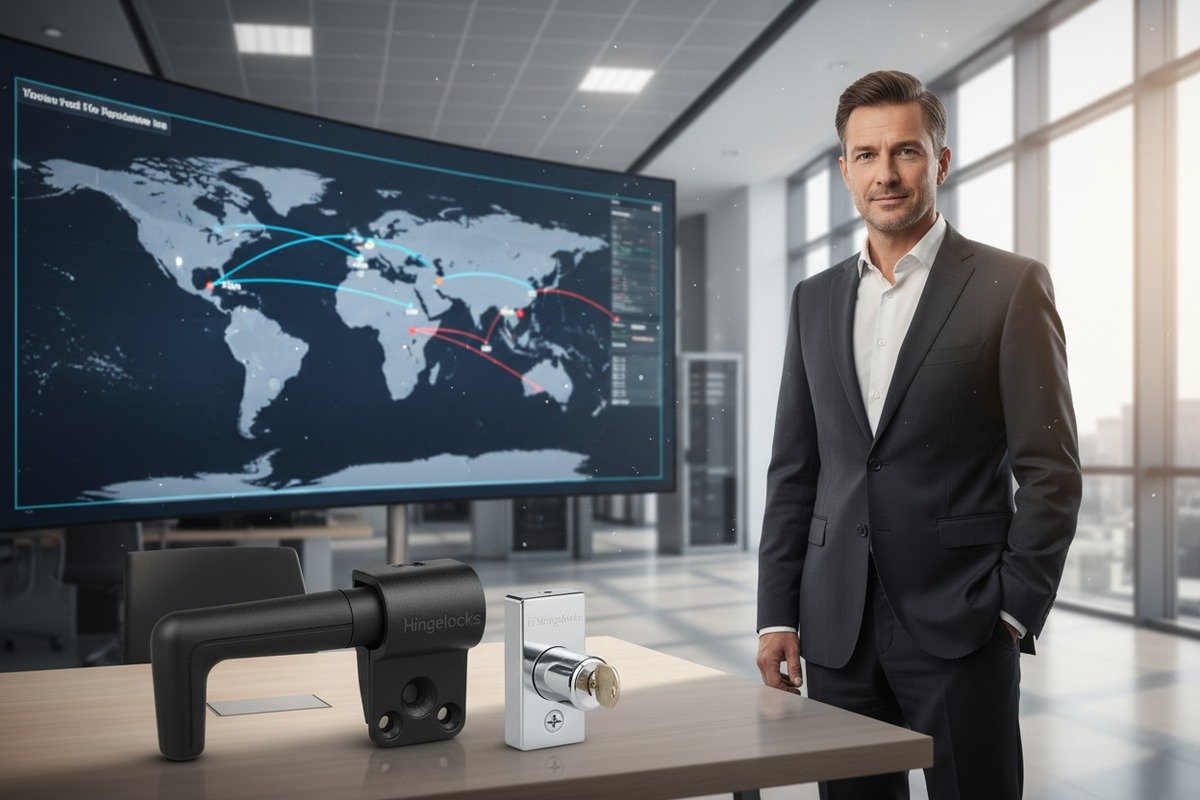
Sourcing hinge locks—specialized hardware combining hinge functionality with locking mechanisms, commonly used in cabinets, industrial enclosures, doors, and security applications—from China can offer significant cost savings, high production volumes, and customization options. China dominates global hardware manufacturing, producing over 60% of the world's hinges and locks, thanks to advanced facilities in regions like Guangdong, Zhejiang, and Fujian. However, success depends on careful planning to ensure quality, compliance, and reliable supply chains. This comprehensive guide walks you through the process, drawing from industry best practices as of 2026.
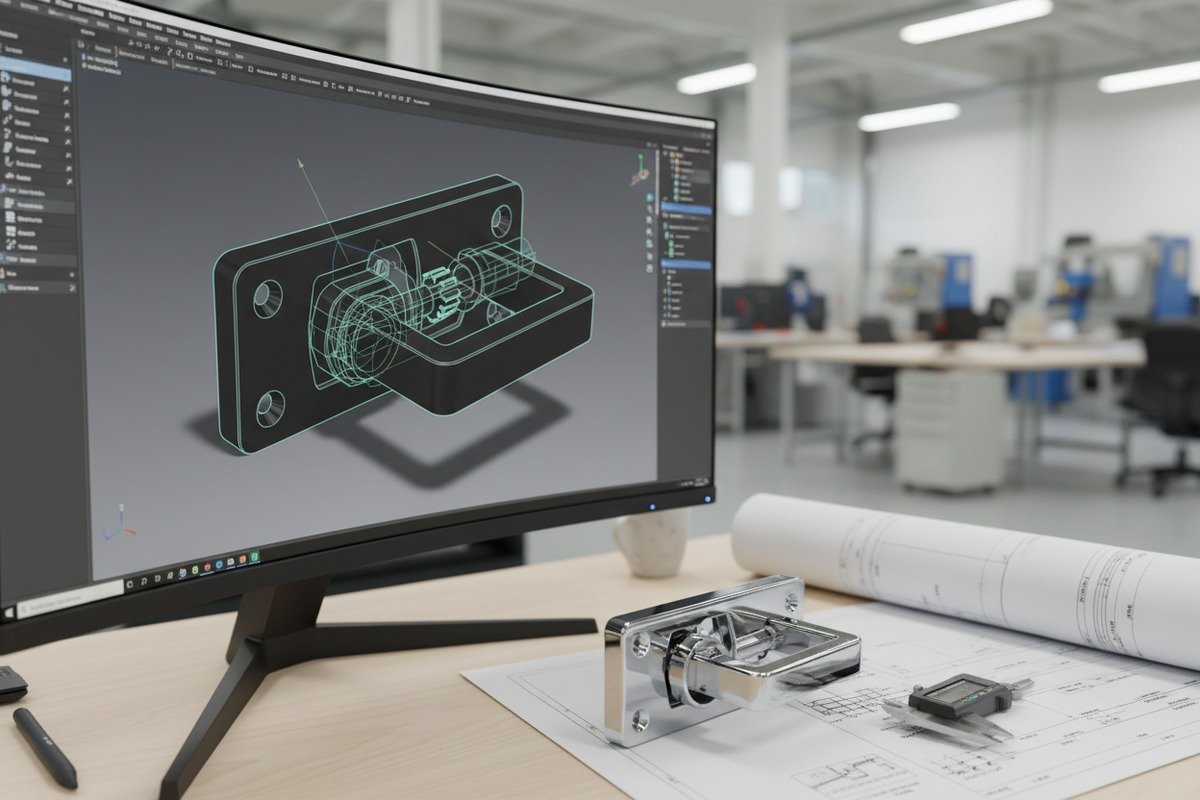
Step 1: Define Your Product Requirements
Before searching for suppliers, clearly outline your needs to avoid mismatches and costly revisions.
-
Specify the Type: Hinge locks vary widely. Common types include detachable zinc alloy cabinet hinges with locks, stainless steel heavy-duty locking hinges for industrial doors, concealed hinges with integrated locks for furniture, or weld-on locking hinges for secure enclosures. Decide on features like soft-closing, adjustable torque, fire-rating, or corrosion resistance.
-
Материали и покрития: Opt for stainless steel (e.g., 304/316 for durability), zinc alloy (cost-effective), or brass. Finishes might include satin nickel, matte black, or powder coating.
-
Quantity and Customization: Minimum order quantities (MOQs) often start at 500–5,000 pieces for custom designs. Consider load capacity (e.g., 40–200 kg per pair) and dimensions.
-
Certifications Needed: Depending on your market:
- EU: CE marking under EN 1935 (hinges) or EN 12209 (locks), fire-rated to EN 1634-1.
- US: BHMA/ANSI grading (Grade 1–3 for security/durability), UL certification for fire resistance.
- Other: ISO 9001 for quality management.
Budget for samples (typically $50–200) and tooling costs for custom molds ($1,000–5,000).
Step 2: Find and Research Suppliers
China has thousands of manufacturers, but focus on verified ones to avoid trading companies posing as factories.
- Platforms to Use:
- Alibaba.com: Ideal for beginners; use Gold/Verified Supplier filters. Search terms like "hinge lock manufacturer" or "locking hinge OEM."
- Made-in-China.com: Strong for hardware; look for audited suppliers.
- GlobalSources.com: Focuses on verified factories with export experience.
- 1688.com: Domestic platform for lower prices, but requires translation (use agents).
Aim for 10–20 potential suppliers. Check reviews, transaction history, and export records.
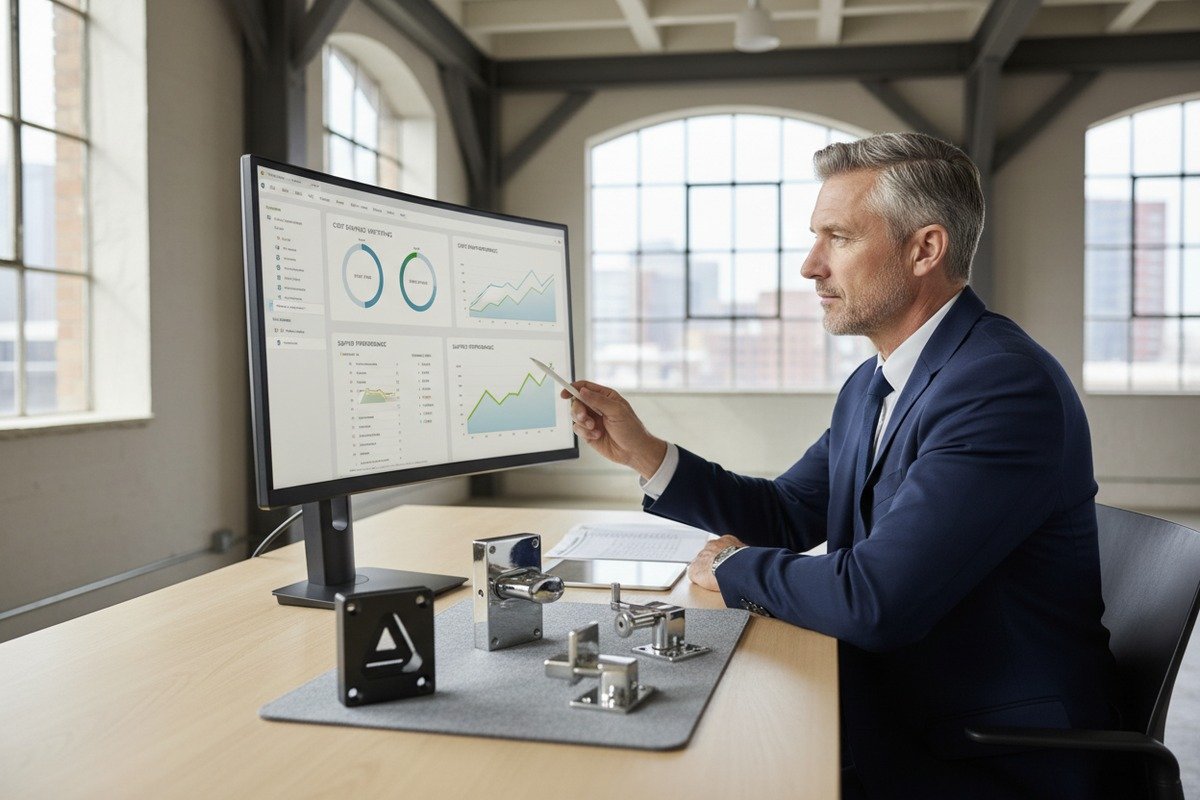
Step 3: Verify Suppliers and Request Quotes
Distinguish real factories from traders—factories offer lower prices and better customization.
-
Verification Steps:
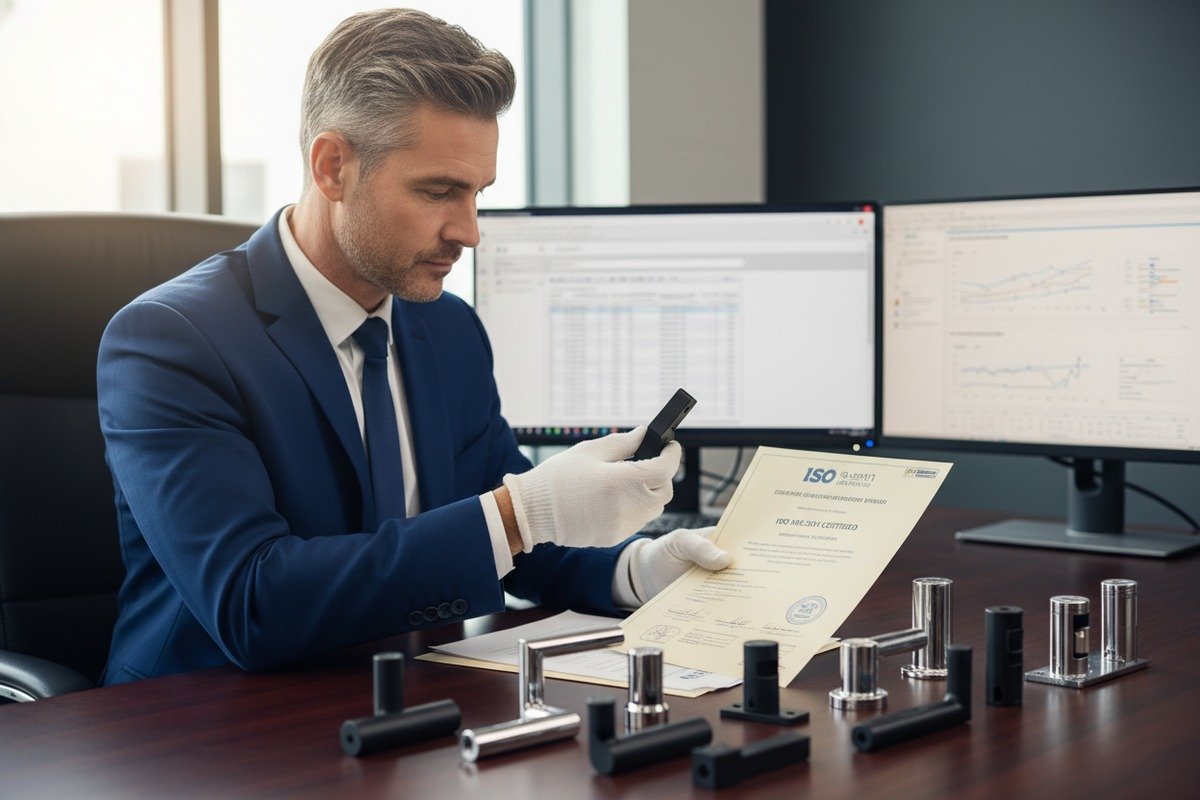
- Request business license, factory photos/videos, and ISO certifications.
- Use third-party audits (e.g., SGS, Bureau Veritas) costing $300–800.
- Ask for references from past international clients.
- Red flags: Vague responses, no production photos, or deflection on factory tours.
-
Request for Quotation (RFQ): Send detailed specs, including drawings if custom. Compare unit prices (e.g., $0.50–5 per piece), MOQ, lead time (30–60 days), and payment terms (30% deposit, balance on shipment).
Negotiate: Chinese suppliers often expect bargaining—aim for 10–20% off initial quotes.
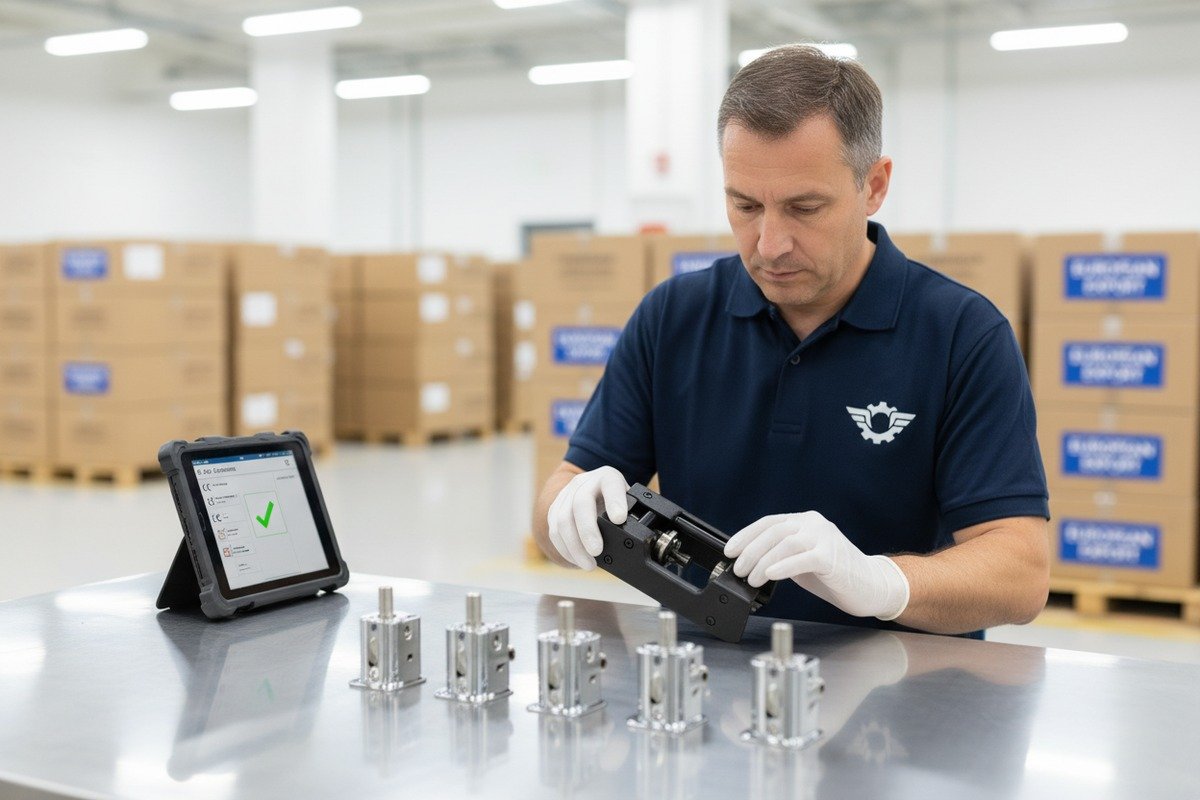
Step 4: Order Samples and Conduct Quality Checks
Never skip this—samples reveal real quality.
- Order 5–20 pieces per design ($100–500 including shipping).
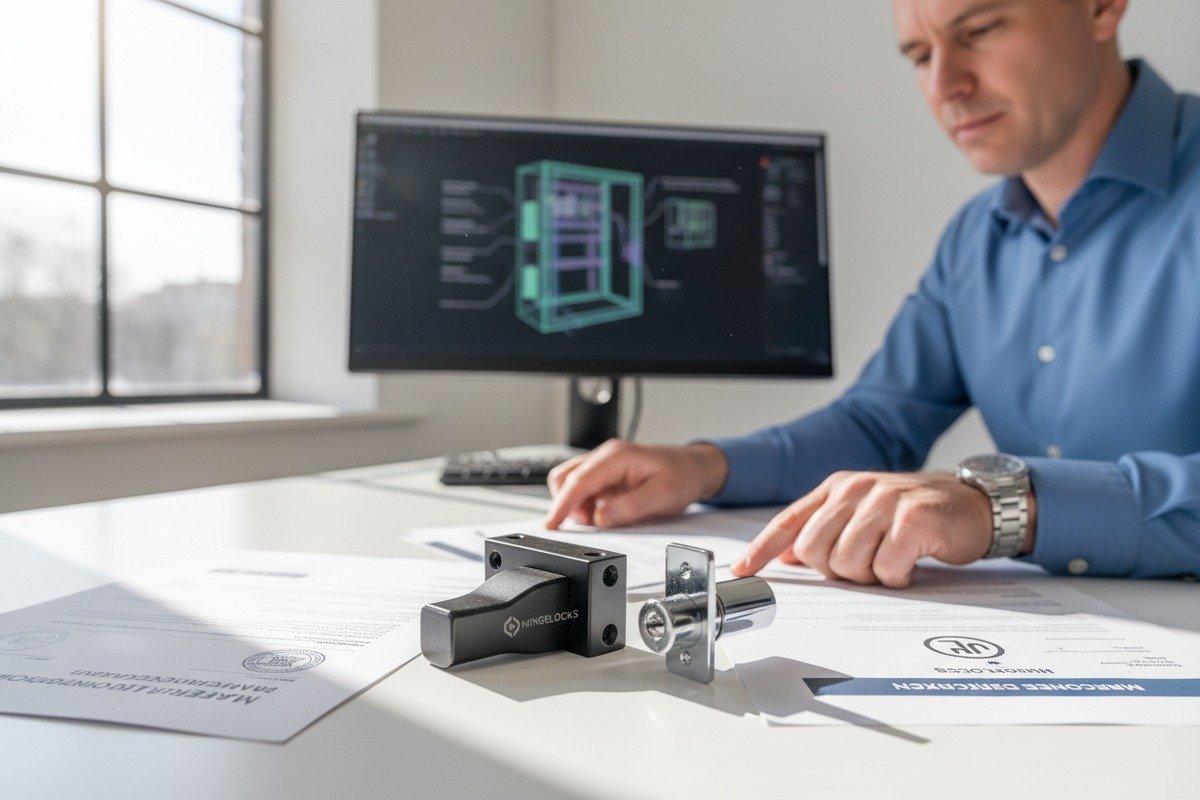
- Test for functionality: Cycle testing (e.g., 100,000+ openings), load bearing, and locking strength.
- Hire inspectors for pre-production checks.
Step 5: Place Orders and Manage Production
- Contracts: Use clear agreements covering specs, timelines, penalties for delays, and intellectual property protection.
- Payments: Secure methods like Alibaba Trade Assurance or letters of credit. Avoid full upfront payment.
- Monitoring: Schedule mid-production inspections (e.g., via HQTS or AQI) to catch issues early.
Typical timeline: 45–90 days from deposit to ready-for-shipment.
Step 6: Handle Logistics and Shipping
Hardware is dense, so sea freight is common for bulk.
-
Options:
- LCL (Less than Container Load) for smaller orders.
- FCL (Full Container Load) for 1,000+ pieces.
- Air/express for samples/urgent.
-
Costs: $3,000–6,000 for a 20ft container from Shanghai to US/Europe (2026 rates fluctuate).
-
Incoterms: FOB (Free on Board) is standard—supplier handles to port, you manage onward.
Work with freight forwarders for customs clearance.
Step 7: Customs Clearance and Import Compliance
- HS Code: Typically 8302.10 for hinges/locks—check duties (0–5% in many countries).
- Документация: Commercial invoice, packing list, bill of lading, certificate of origin (for tariff reductions).
- Pitfalls to Avoid:
- Poor quality from unverified suppliers.
- IP infringement—search patents.
- Delays from incomplete docs.
- Over-reliance on lowest price (leads to defects).
Final Tips for Success
- Build relationships: Visit Canton Fair or use agents for first orders.
- Start small: Test with 1,000 pieces before scaling.
- Sustainability: Increasingly, buyers seek eco-friendly materials.
By following these steps, you can source high-quality hinge locks from China efficiently, potentially saving 30–50% compared to domestic options while meeting global standards. With careful due diligence, your supply chain can be reliable and profitable.


 Bulgarian
  English
  Spanish
  French
  German
  Japanese
  Arabic
  Korean
  Swedish
  Dutch
Dutch  Greek
Greek  Hindi
Hindi  Hebrew
  Italian
  Vietnamese
  Thai
Thai  Czech
Czech  Slovak
  Hungarian
  Finnish