
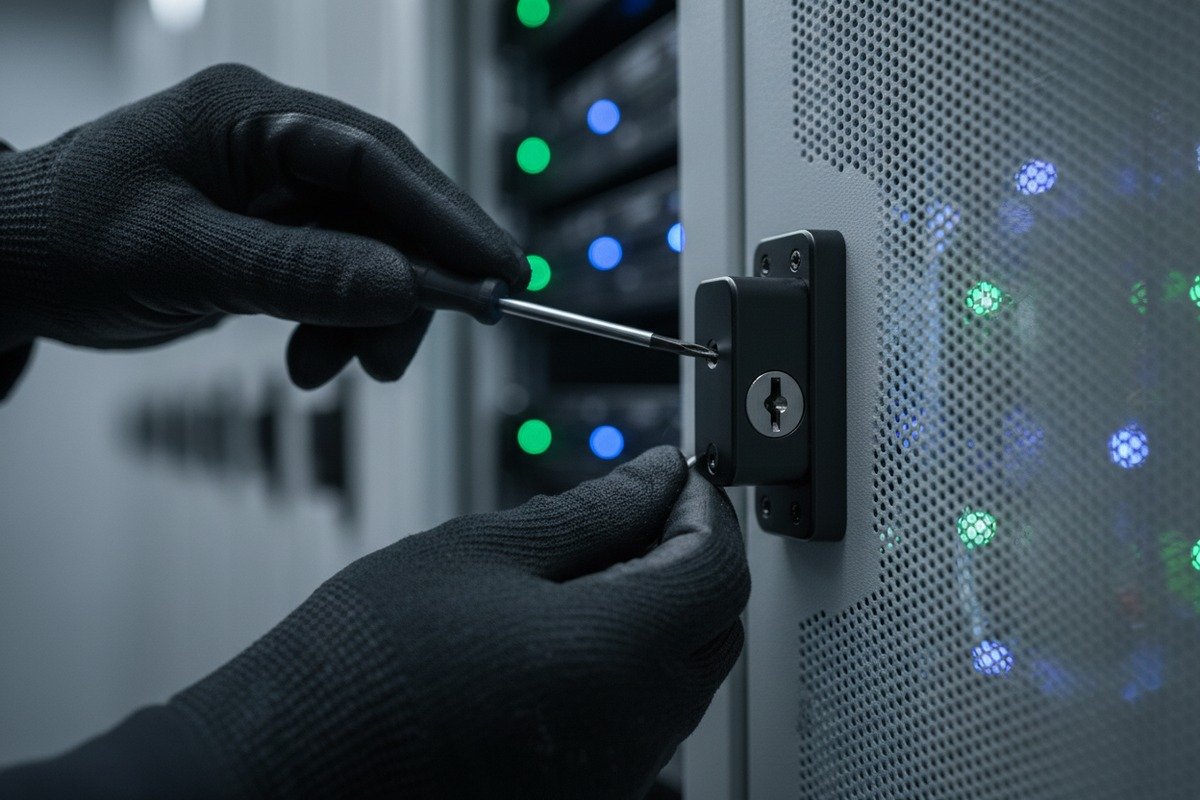
Every year, our production line ships thousands of cam locks to data center builders across North America and Europe—and the conversations we have with procurement teams keep circling back to one painful truth: standard cabinet locks are failing them. Insider theft, unauthorized access to server racks, and even simple key duplication are causing real damage. The problem is not just digital anymore. Physical breaches at the cabinet level lead to data loss, compliance violations, and costly downtime. Yet many facilities still rely on generic disc tumbler locks 1 that can be picked in seconds.
You can upgrade data center cabinet physical security by replacing standard locks with high-security cam locks that feature pick-resistant keyways, anti-drill housings, proprietary key control, and durable zinc alloy or stainless steel construction—providing tamper-proof protection that integrates seamlessly into existing cabinet cutouts and multi-layered security strategies.
In this guide, we walk through the exact features to look for, compliance standards to meet, customization options available, and the long-term payoff of making this upgrade. Whether you manage a hyperscale facility or an edge deployment, the steps below will help you lock down your cabinets the right way.
What specific features should I look for when choosing high-security cam locks for my server cabinets?
Choosing the wrong cam lock is a mistake we see often when reviewing client specs. The difference between a basic lock and a high-security one can mean the difference between a secure rack and a liability.
When choosing high-security cam locks for server cabinets, look for pick-resistant keyways, anti-drill steel inserts, proprietary non-duplicable keys with thousands of unique combinations, corrosion-resistant materials like zinc alloy or stainless steel, and master key system compatibility for streamlined facility-wide access control.
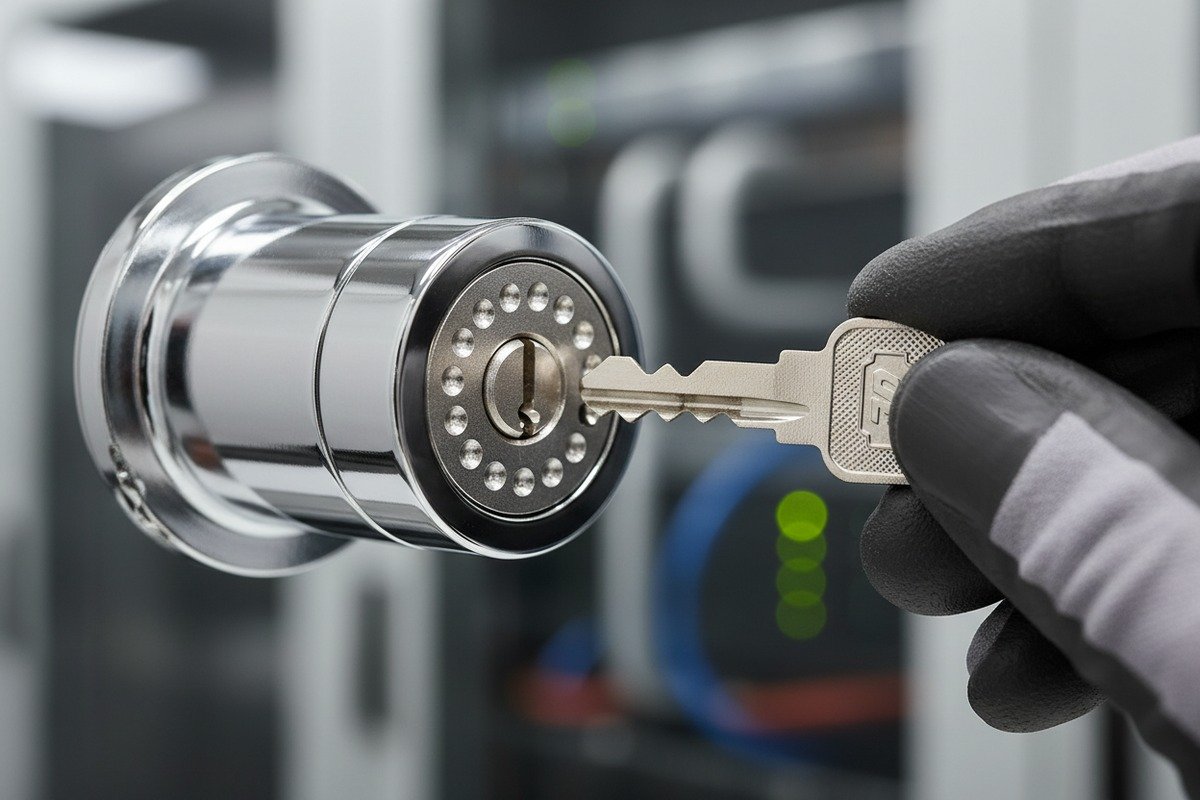
Pick-Resistant Keyways and Anti-Drill Protection
The first line of defense is the keyway itself. Standard disc tumbler locks use simple flat keys that are easy to duplicate at any hardware store. High-security cam locks use dimple key systems or tubular pin configurations that resist picking, bumping, and decoding. pick-resistant keyways 2 Some dimple key systems offer over 1,000,000 unique combinations—making unauthorized key replication virtually impossible.
Anti-drill protection matters just as much. A hardened steel insert in the lock face stops drill bits from penetrating the cylinder. Without this feature, even a cordless drill can defeat a lock in under a minute.
Proprietary Key Control
Key control is where many facilities fall short. If anyone can walk into a locksmith and copy a key, your security is only as good as your weakest employee. Proprietary key systems require authorization and serial number verification before a duplicate can be made. proprietary key control 3 Our engineers design locks with patented keyways specifically to prevent unauthorized copying.
Material and Build Quality
Data centers run cooling systems that create condensation. Outdoor edge deployments face rain, dust, and temperature swings. The lock body must resist these conditions. Here is a quick comparison of common materials:
| Materiale | Resistenza alla corrosione | Strength | Best Use Case |
|---|---|---|---|
| Zinc Alloy (Die-Cast) | Good (with coating) | Alto | Indoor server racks, telecom cabinets |
| Stainless Steel (304) | Excellent | Very High | Cooled environments, outdoor edge sites |
| Stainless Steel (316) 4 | Superior | Very High | Coastal or high-humidity locations |
| Ottone | Good | Moderato | Low-risk indoor enclosures |
Master Key and Key Hierarchy Systems
Large data centers may have hundreds or thousands of cabinets. Giving every technician a unique key for every cabinet is impractical. Master key systems 5 solve this. A facility manager holds a master key that opens all locks, while individual technicians carry keys that only open their assigned racks. Grand master systems add another tier for regional or corporate-level access.
Cam Configuration and Mounting Compatibility
The cam—the rotating arm behind the lock—must match your cabinet's door thickness and latch style. Standard cam lengths range from 25 mm to 40 mm, and straight or offset shapes are available. Most high-security cam locks are designed to fit industry-standard panel cutouts (typically 19 mm or 22 mm diameter), so retrofitting does not require drilling new holes.
When we work with cabinet manufacturers, we always confirm three things: hole diameter, panel thickness, and cam throw distance. Getting any of these wrong means the lock either won't fit or won't secure the door properly.
How do I ensure my cam locks comply with NEMA and IP standards for data center environments?
Compliance is not optional—it is a gatekeeper. We have seen orders delayed and entire projects stalled because a single component failed to meet the required ingress protection rating.
To ensure cam lock compliance with NEMA and IP standards, verify the lock's tested IP rating (e.g., IP65 or IP66 for dust and water protection), confirm NEMA type ratings match your enclosure class, and request third-party test certificates from the lock manufacturer before specifying locks in your cabinet design.
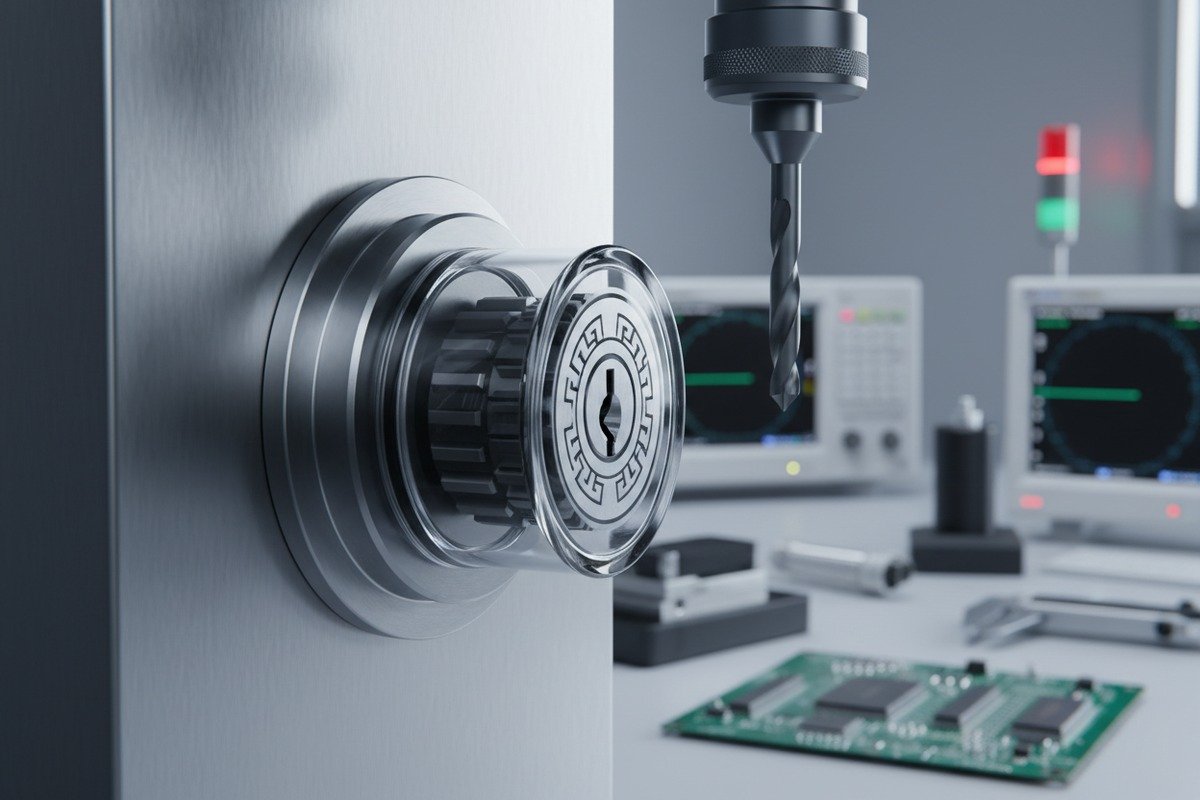
Understanding NEMA and IP Ratings
NEMA (National Electrical Manufacturers Association) and IP (Ingress Protection) ratings define how well an enclosure—and its components—resist dust, water, and other environmental threats. NEMA and IP standards 6 While NEMA ratings are primarily used in North America, IP ratings are recognized internationally.
A cam lock installed on a NEMA 4X enclosure must not compromise the enclosure's rating. That means the lock itself needs sealing gaskets, tight tolerances, and corrosion-resistant finishes to prevent water or dust ingress through the lock hole.
Here is a reference table matching common data center environments to their typical rating requirements:
| Environment | Recommended NEMA Rating | Equivalent IP Rating | Key Threats |
|---|---|---|---|
| Indoor server room | NEMA 1 or NEMA 12 | IP20 – IP52 | Dust, accidental contact |
| Cooled data hall | NEMA 12 | IP52 – IP54 | Condensation, dust |
| Outdoor edge deployment | NEMA 4X | IP66 | Rain, hose-down, corrosion |
| Industrial co-location | NEMA 4 | IP65 | Water jets, dust, oil mist |
| Coastal or marine facility | NEMA 4X (316 SS) | IP66 – IP68 | Salt spray, submersion risk |
Gaskets and Sealing Design
The lock-to-panel interface is the weak point. Even a high-quality lock will fail an IP test if the gasket is missing, undersized, or made from the wrong material. Our production team uses EPDM or silicone gaskets 7 rated for -40°C to +120°C. These materials maintain their seal under thermal cycling—something neoprene gaskets often cannot do.
Third-Party Certification
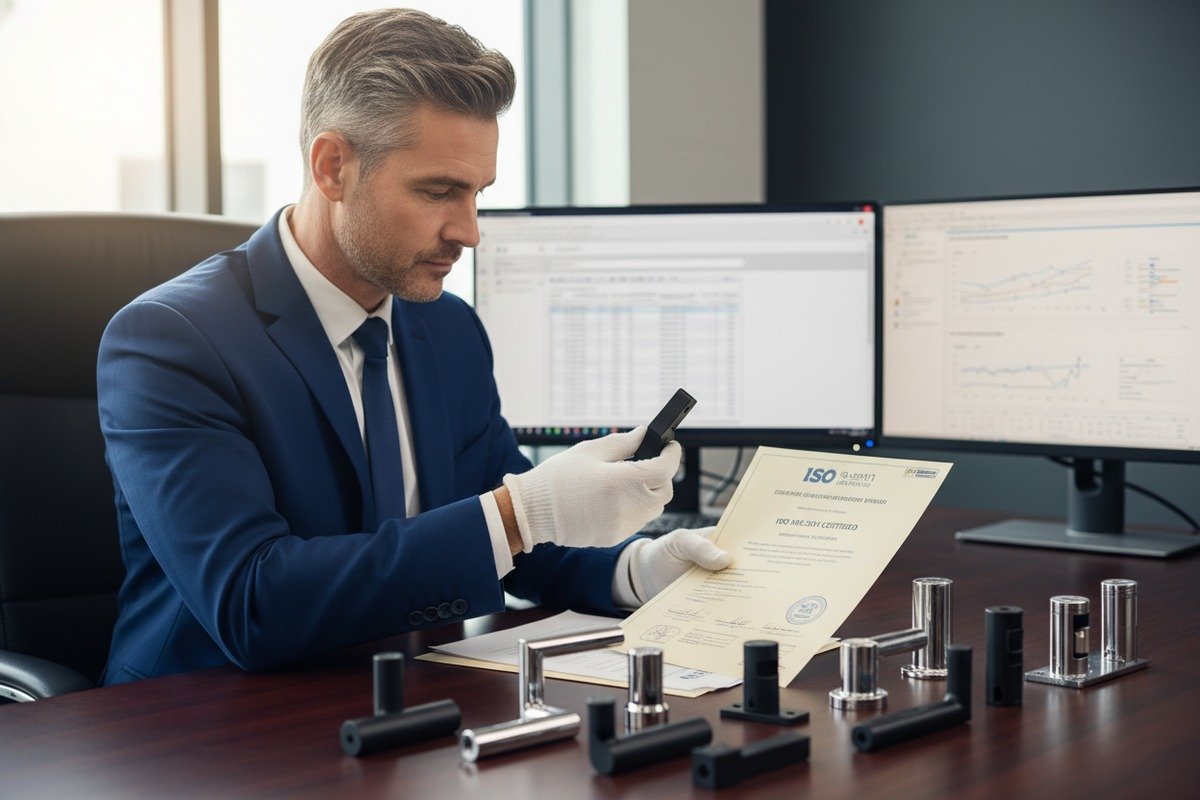
Requesting a test report is not enough. Ask whether the testing was done by an accredited third-party lab 8. Certifications from bodies like UL, TUV, or IAPMO carry weight because they involve independent verification. At our facility, we maintain 35+ testing devices in-house, but we still submit products for external certification to give buyers confidence.
Common Compliance Mistakes
One mistake we see repeatedly: specifying a lock that meets IP ratings on its own but fails when installed. The reason is usually a mismatch between lock body diameter and panel cutout, leaving a gap that breaks the seal. Always test the assembled lock-and-panel combination, not just the lock in isolation.
Another mistake is ignoring UV resistance for outdoor deployments. A lock body that passes IP66 testing can still degrade if its coating breaks down under UV exposure within two years. Powder-coated finishes with UV stabilizers solve this.
Can I get custom-engineered cam locks that match my specific cabinet dimensions and security protocols?
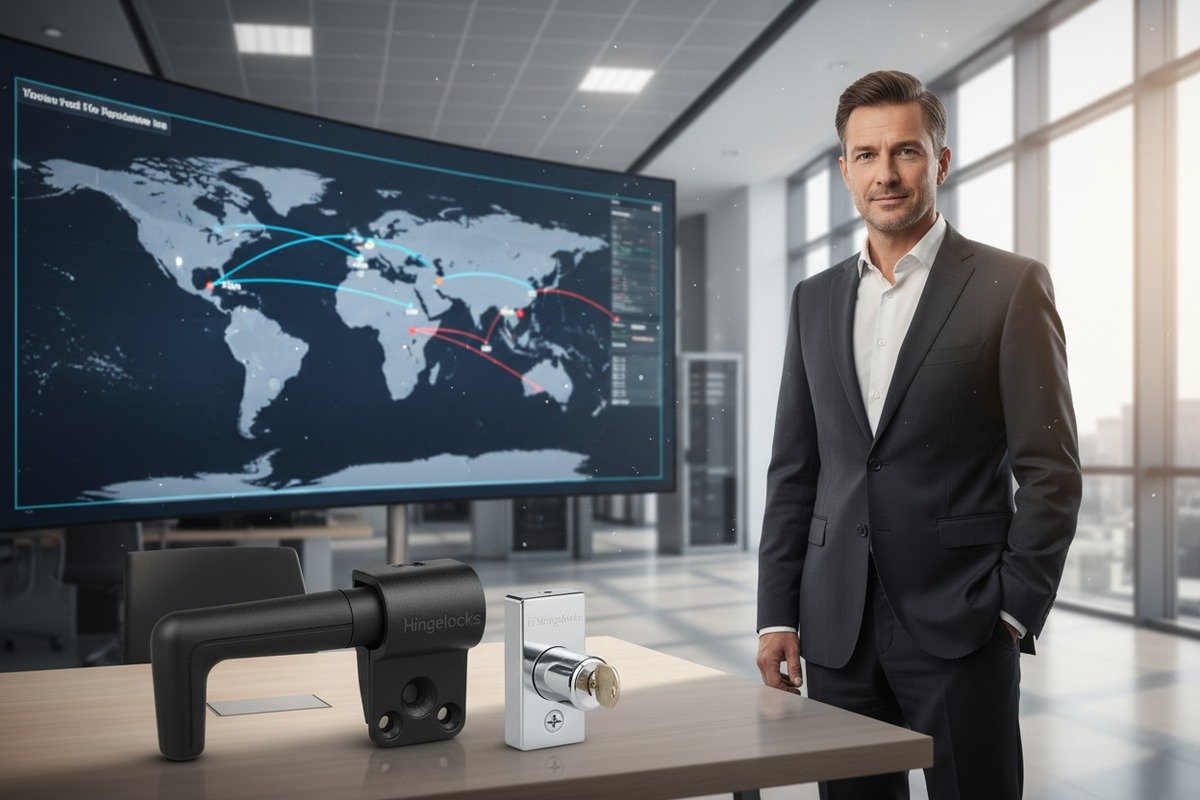
Standard off-the-shelf locks work for standard cabinets. But data center cabinets are rarely standard. We get requests every week from OEMs who need locks with non-standard body lengths, unique cam shapes, or branded keyways.
Yes, reputable manufacturers offer fully custom-engineered cam locks tailored to your cabinet's exact panel thickness, cutout diameter, cam throw distance, and security protocol—including proprietary keyways, branded key heads, specific finish colors, and master key hierarchies designed around your facility's access control policy.
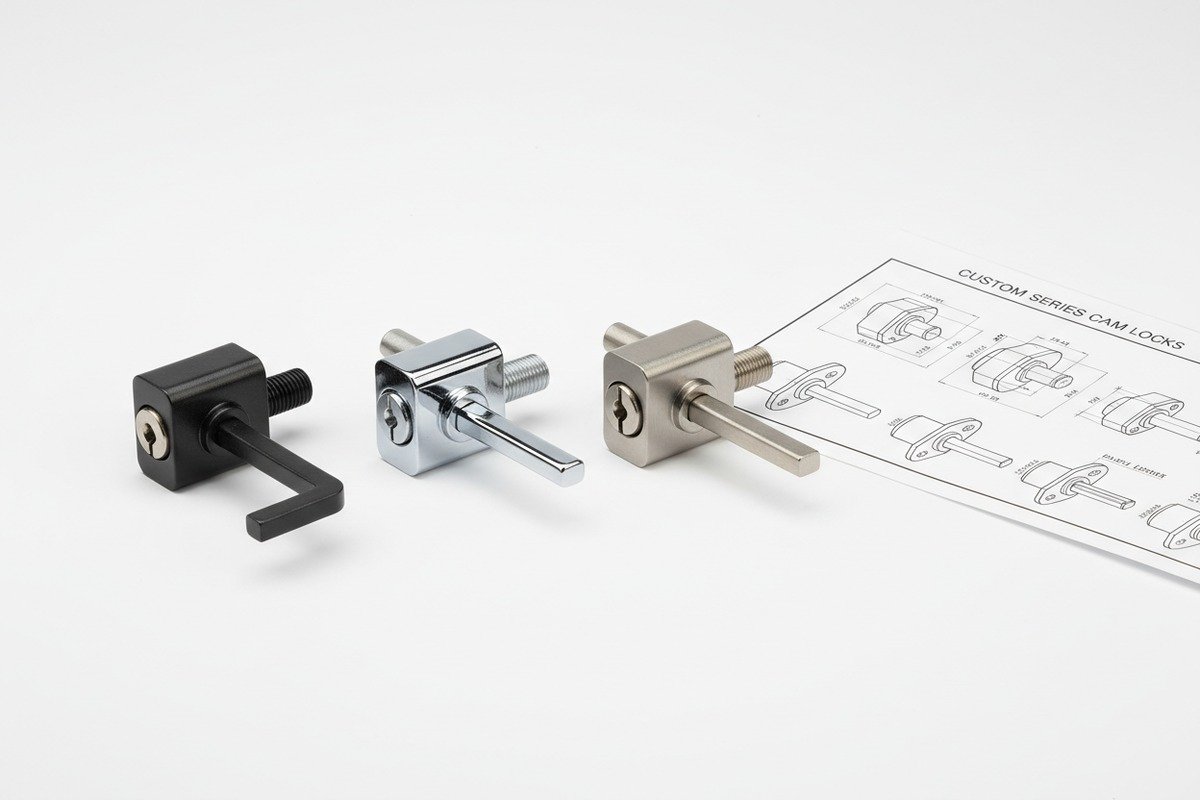
What Can Be Customized?
Almost every aspect of a cam lock can be engineered to your spec. Here is a breakdown of common customization options:
| Component | Customization Options | Typical Lead Time |
|---|---|---|
| Lock body length | 10 mm to 40 mm+ (match panel thickness) | 15–25 days |
| Cam shape and length | Straight, offset, L-shaped, custom bent | 15–25 days |
| Keyway profile | Proprietary dimple, tubular, or flat key designs | 20–35 days |
| Finitura | Chrome, matte black, powder coat, brushed SS | 15–20 days |
| Key head branding | Laser-engraved logo, custom color plastic bow | 20–30 days |
| Master key hierarchy | Single master, grand master, sub-master groups | Design phase: 5–10 days |
| Gasket material | EPDM, silicone, neoprene, custom durometer | 15–20 days |
The OEM/ODM Process
When our engineering team takes on a custom cam lock project, the process typically follows these steps:
- Requirement review. The client sends cabinet drawings, panel specs, and security requirements. We confirm cutout size, door thickness, and environmental conditions.
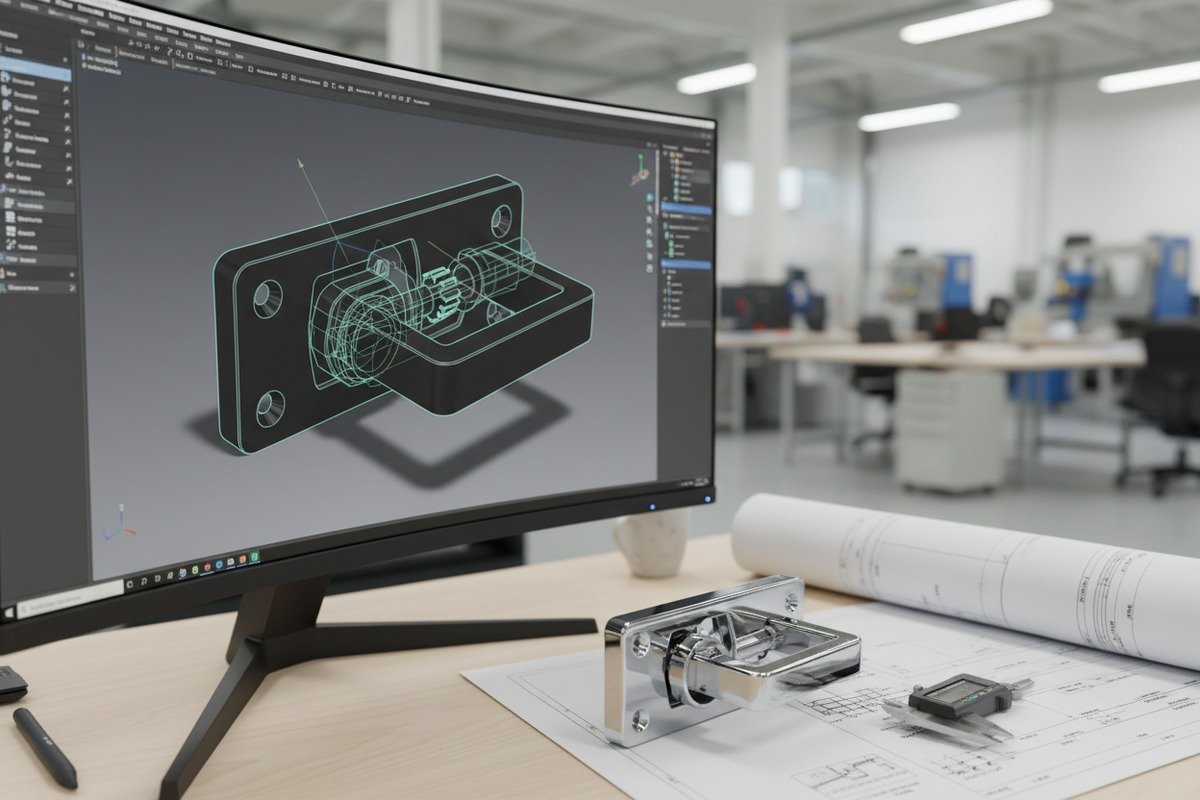
- CAD design. Our team provides free CAD drawings—usually within 3–5 business days. These include 2D cross-sections and 3D renderings so the client can verify fit before any tooling begins.
- Prototype and sample. We produce physical samples for the client to test-fit and evaluate. Sample turnaround is typically 7–15 days depending on complexity.
- Testing and validation. Samples undergo pull-force testing, cycle life testing (10,000+ open-close cycles), salt spray testing (up to 500 hours for stainless steel variants), and IP verification.
- Production and delivery. Once approved, production runs ship within 15–35 days. We support small-batch orders for initial rollouts before scaling up.
Matching Security Protocols
Many data centers operate under compliance frameworks like SOC 2, ISO 27001 9, or PCI DSS. These frameworks require documented physical access controls. A custom cam lock system can be designed with serialized keys, restricted key blanks, and audit-friendly key issuance logs to support these requirements.
For example, one telecom rack manufacturer we work with required every lock to ship with a unique key number printed on a tamper-evident tag. We built this into the packaging workflow so their receiving team could log every key into their access management system upon delivery.
When Custom Is Worth It
Custom engineering adds cost—typically 10–30% over standard models depending on the scope. But for OEMs building thousands of identical cabinets, the per-unit cost drops fast with volume. More importantly, a lock that fits perfectly eliminates field rework, warranty claims, and security gaps that arise from using "close enough" off-the-shelf parts.
What are the long-term benefits of upgrading to premium cam locks for my facility's physical security?
Cost is always the first question. But from our 35 years of building locking hardware, we have learned that the real question is: what does it cost when a cheap lock fails?
Upgrading to premium cam locks delivers long-term benefits including reduced breach risk, lower maintenance and replacement costs, simplified key management across large deployments, compliance readiness for security audits, and a clear upgrade path to hybrid mechanical-electronic systems—all contributing to measurable ROI within the first year.
Reduced Breach Risk and Downtime
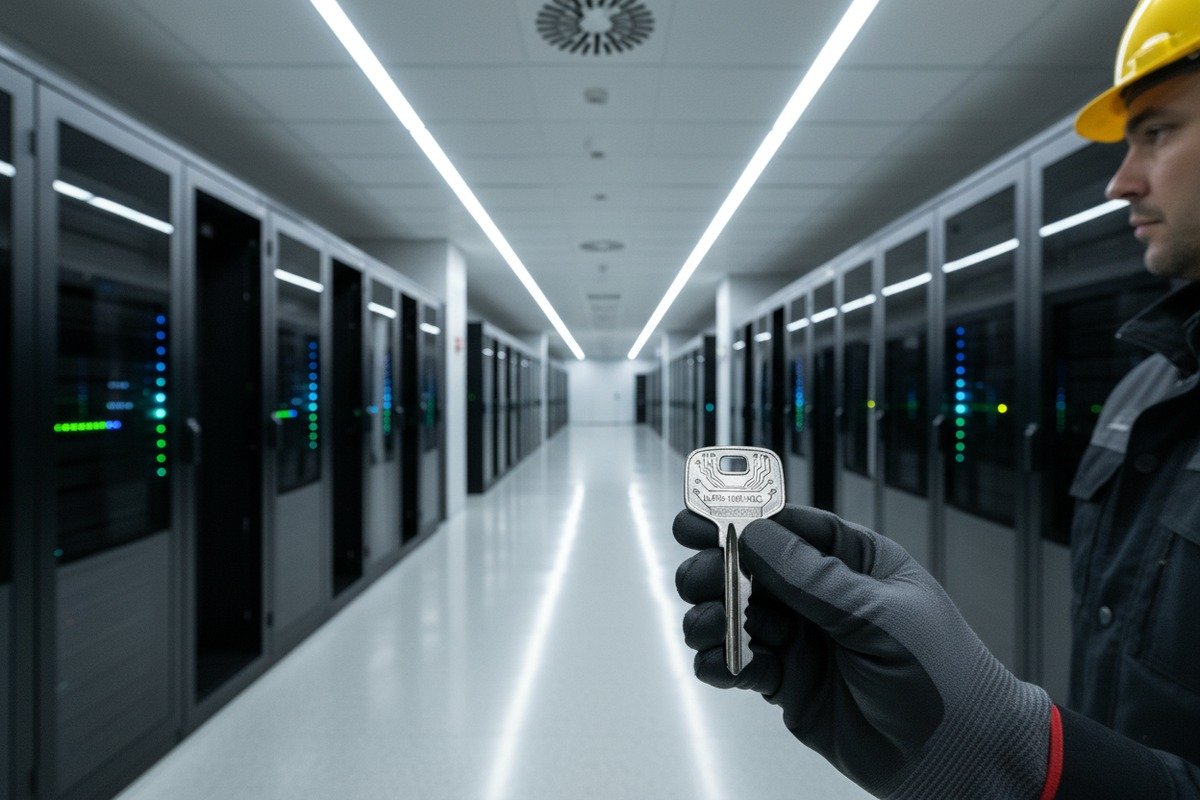
Industry estimates suggest that physical access incidents account for 20–30% of data center security events. A single unauthorized access to a server rack can result in data theft, hardware tampering, or service disruption. Premium cam locks with pick-resistant and drill-resistant features raise the difficulty bar high enough to deter opportunistic attacks and significantly slow determined ones—buying time for surveillance and response teams.
Lower Total Cost of Ownership
A cheap cam lock might cost $3–$5. A high-security cam lock might cost $15–$50 depending on features and materials. But cheap locks fail. They jam. Keys break. Cylinders wear out. Replacements require technician visits, downtime coordination, and sometimes panel modification. Over a five-year lifecycle, premium locks almost always cost less.
Consider this simplified comparison for a 500-cabinet deployment:
| Cost Factor | Standard Locks (500 units) | Premium Locks (500 units) |
|---|---|---|
| Unit cost | $4 × 500 = $2,000 | $30 × 500 = $15,000 |
| Replacement rate (5 years) | 15% per year = 375 units | 2% per year = 50 units |
| Replacement cost | 375 × $4 + labor = ~$5,600 | 50 × $30 + labor = ~$2,500 |
| Security incident risk | Higher (easy pick/duplicate) | Significantly lower |
| 5-year total cost | ~$7,600 + risk exposure | ~$17,500 with minimal risk |
The dollar difference narrows—and when you factor in even one prevented security incident (which can cost $50,000–$500,000+ in a data center), premium locks deliver clear ROI.
Simplified Key Management at Scale
Standardizing on a single high-security cam lock platform across your facility means one master key system, one key control policy, and one vendor relationship. This eliminates the chaos of managing multiple lock types from different suppliers—each with their own key blanks and service requirements.
When we design master key systems for large deployments, we map the entire access hierarchy before cutting a single key. The result is a clean, auditable system where every key is accounted for and every access level is intentional.
Future-Proofing With Hybrid Systems
The trend in 2025–2026 is clear: mechanical locks are converging with electronic monitoring. Smart cam locks with built-in sensors can report lock/unlock events to a central management system via IoT protocols. These hybrid systems give you the reliability of a mechanical lock (no batteries to die, no network dependency for basic function) plus the visibility of an electronic system (audit trails, remote alerts, tamper notifications).
Starting with a high-quality mechanical cam lock platform makes this transition easier. Many smart lock modules are designed to retrofit into the same panel cutouts, so your initial investment in premium hardware carries forward.
Compliance and Audit Readiness
Auditors want to see that physical access controls are documented, consistent, and enforced. A facility running premium cam locks with serialized keys, restricted duplication, and a master key hierarchy can demonstrate compliance quickly. Facilities running mixed, untracked locks spend hours—sometimes days—gathering evidence that may still be insufficient.
Conclusione
Upgrading your data center cabinet locks is one of the highest-impact, lowest-complexity security improvements you can make. Start with the right features, verify compliance, explore customization, and measure long-term value. If you need help specifying the right cam lock for your cabinets, reach out to our team at sales@hingelocks.com—we will get you a solution that fits.
Footnotes
- Explains the mechanism and characteristics of disc tumbler locks. ↩︎
- Demonstrates and explains designs of keyways that resist picking. ↩︎
- Found an authoritative and educational article explaining proprietary keyways and their benefits. ↩︎
- Found an authoritative Wikipedia article on 316L stainless steel, which is closely related to 316 and provides comprehensive information. ↩︎
- Explains the concept, benefits, and importance of master key systems in security management. ↩︎
- Compares and explains NEMA and IP ratings for enclosure protection against environmental factors. ↩︎
- Found a relevant article directly comparing EPDM and silicone gaskets, detailing their properties and applications. ↩︎
- Defines an accredited laboratory and highlights the importance of independent assessment for reliability. ↩︎
- Found an authoritative Wikipedia article providing a comprehensive overview of ISO/IEC 27001. ↩︎
- Found an authoritative Wikipedia article defining and explaining Total Cost of Ownership. ↩︎




 Italian
  English
  Spanish
  French
  German
  Japanese
  Arabic
  Korean
  Swedish
  Dutch
Dutch  Greek
Greek  Hindi
Hindi  Hebrew
  Vietnamese
  Thai
Thai  Bulgarian
  Czech
Czech  Slovak
  Hungarian
  Finnish