
In the event of an electrical fire, every second counts. While much attention is paid to fire-rated cables and circuit breakers, the mechanical integrity of the enclosure lock is a critical safety factor. If a lock fails and a cabinet door swings open during a fire, it introduces oxygen that can fuel the blaze and allows fire to spread to the rest of the facility.
For B2B buyers, understanding fire ratings isn't just about safety—it’s about legal compliance and risk management. Here is what you need to know about how cabinet locks perform under extreme temperature.
1. Material Behavior in Extreme Heat
The first line of defense is the material composition of the lock. Different metals and plastics react differently when exposed to high temperatures:
| 素材 | Melting Point (Approx.) | Performance in Fire |
|---|---|---|
| Zinc Alloy (Zamak) | 380°C - 400°C | May lose structural integrity quickly in intense industrial fires. |
| ステンレス・スチール | 1400°C - 1450°C | The gold standard for fire resistance. Stays locked even in extreme heat. |
| Polyamide (Plastic) | 220°C - 260°C | Requires flame-retardant additives (UL 94 V-0) to prevent dripping and ignition. |
2. Key Certification Standards to Look For
When specifying locks for fire-sensitive areas, look for these specific certifications on the product data sheet:
UL 94: Flammability of Plastic Materials
If your lock has plastic components (like handles or dust caps), the UL 94 rating is mandatory.
- HB: Slow burning on a horizontal specimen.
- V-2: Burning stops within 30 seconds; drips of flaming particles are allowed.
- V-0: The highest standard. Burning stops within 10 seconds; NO flaming drips are allowed.
EN 45545-2: Railway Fire Protection
For enclosures used in tunnels or rail cars, hardware must meet this European standard. It measures "Oxygen Index," "Smoke Density," and "Toxicity."
Fire-Rated Door Assemblies (ASTM E119 / UL 10C)
While locks themselves aren't usually given a "1-hour fire rating" in isolation, they must be tested as part of the total enclosure assembly. For fire-rated cabinets, Stainless Steel locks are almost always required to ensure the door remains mechanically latched for the duration of the fire rating.
3. The Role of the Gasket: Preventing "Smoke Leakage"
A fire-resistant lock is only half the battle. In a fire, smoke inhalation is often more dangerous than the heat itself.
- Standard EPDM Gaskets: May melt and release toxic fumes at high temperatures.
- Intumescent Gaskets: High-end fire-rated locks use seals that "expand" when exposed to heat. This expansion seals the gaps around the lock and the door, creating a smoke-tight barrier.
4. Design Features for Fire Safety
Beyond materials, the physical design of the lock matters:
- Fail-Secure Mechanisms: Ensure that even if the internal plastic components melt, the mechanical metal latch remains in the "closed" position.
- Compression Sealing: As discussed in our previous guide, compression locks help keep the fire-rated gaskets fully engaged against the frame, preventing oxygen from entering the cabinet.
- Low-Profile Designs: Reducing the surface area exposed to the fire helps the lock maintain its temperature for longer.
5. Summary: Specification Checklist for Fire-Prone Areas
If you are procuring locks for data centers, battery energy storage systems (BESS), or high-voltage switchgear, use this checklist:
- [ ] 素材: Specify 304 or 316 Stainless Steel for structural components.
- [ ] Plastics: Ensure all non-metallic parts are UL 94 V-0 rated.
- [ ] Seal: Ask for high-temperature resistant silicone or intumescent gaskets.
- [ ] Integrity: Confirm the lock has been tested to remain latched at temperatures exceeding 800°C for at least 30 minutes.
Safety First: Get Expert Advice
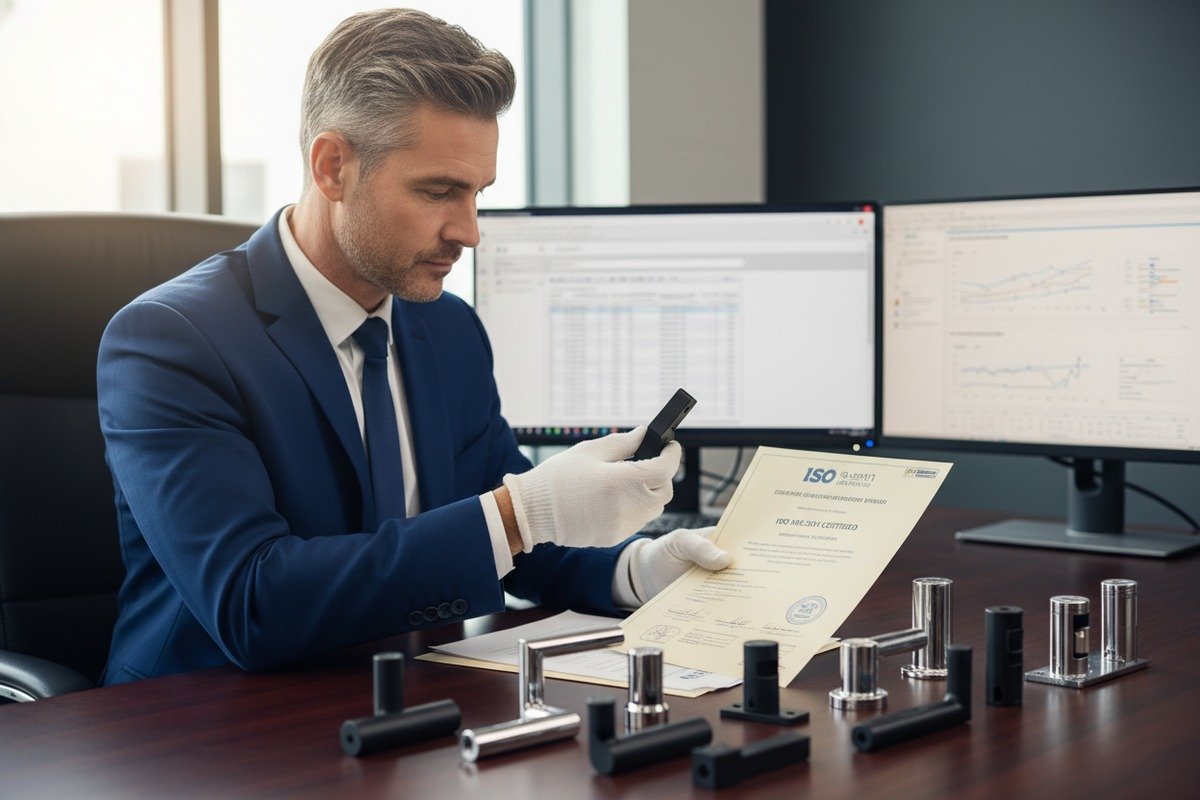
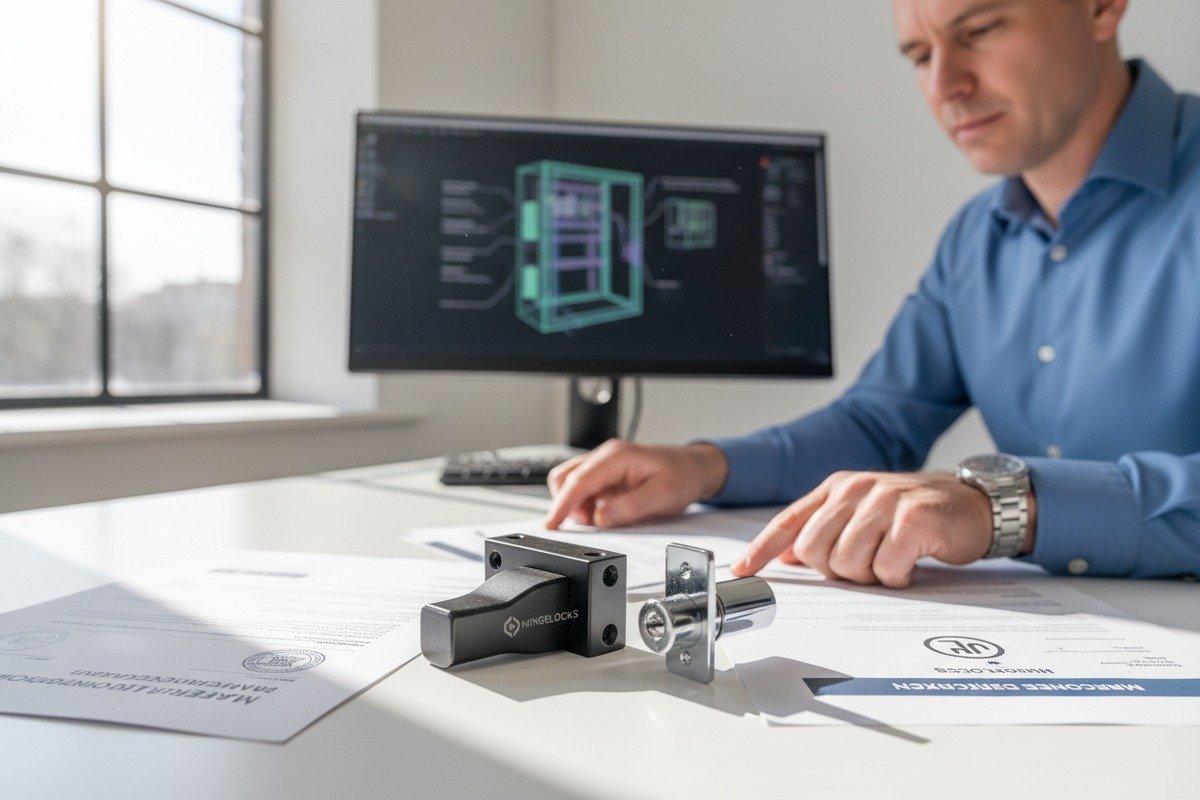
Don't gamble with fire safety. Our technical team can provide the certification documents and fire-test data you need for your project approval.




 Japanese
  English
  Spanish
  French
  German
  Arabic
  Korean
  Swedish
  Dutch
Dutch  Greek
Greek  Hindi
Hindi  Hebrew
  Italian
  Vietnamese
  Thai
Thai  Bulgarian
  Czech
Czech  Slovak
  Hungarian
  Finnish