
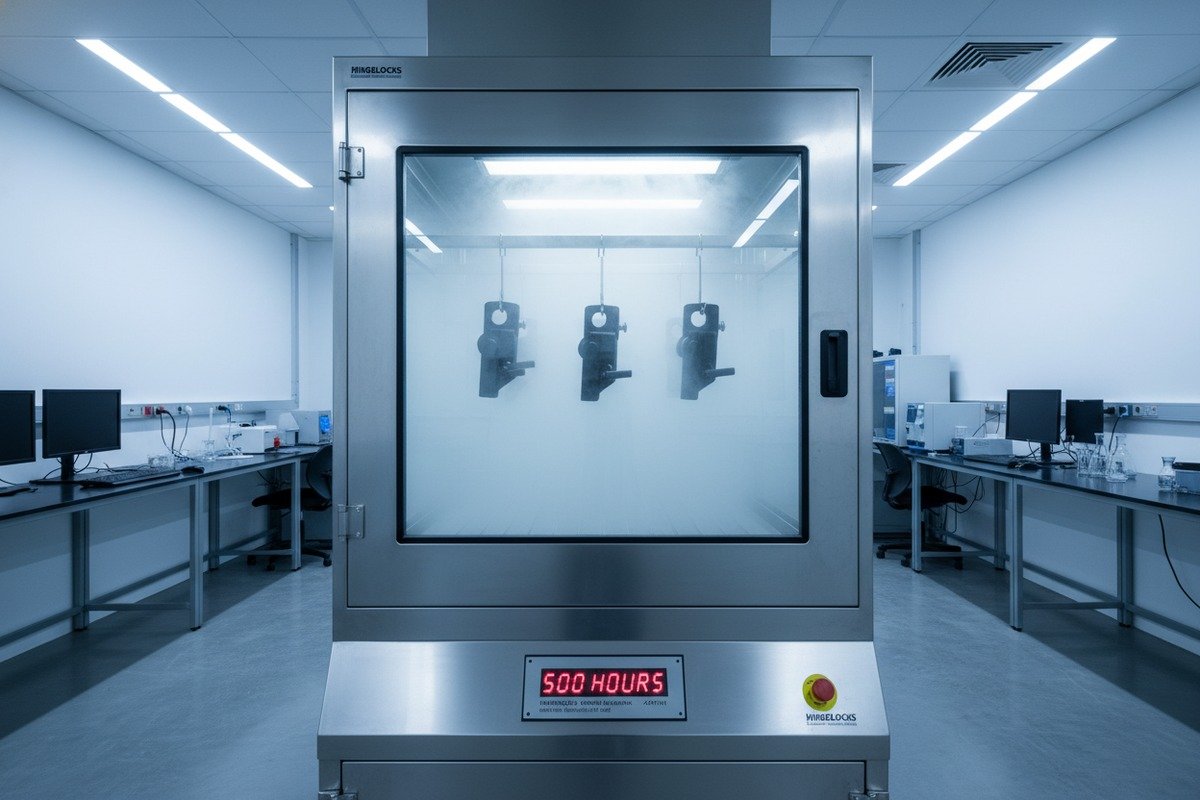
Every year, our customer service team fields calls about cam locks that failed in the field—rusted through, seized up, or corroded beyond use after just months outdoors.
Zinc plating and powder coating work together as a duplex system to protect steel cam locks. Zinc provides sacrificial cathodic protection while powder coating adds a thick organic barrier. Combined with proper pretreatments and passivation, this dual-layer system routinely exceeds 500 hours of salt spray resistance per ASTM B117 testing standards.
In this article, we break down exactly how each layer works, what testing standards matter, and how you can specify these finishes for your next project ISO 9227 1. Let's get into the details.
Why should I choose a combination of zinc plating and powder coating for my industrial cam locks?
When we first started testing single-layer finishes on our cam lock product lines, the results were disappointing—neither zinc plating alone nor powder coating alone could consistently hit the durability targets our North American and European customers demanded.
You should choose this combination because zinc plating sacrificially protects steel at scratches and edges while powder coating seals the entire surface from moisture and chemicals. Together, this duplex system delivers synergistic corrosion resistance far exceeding either layer alone, routinely surpassing 500 hours in ASTM B117 salt spray testing.
How Zinc Plating Works on Steel Cam Locks
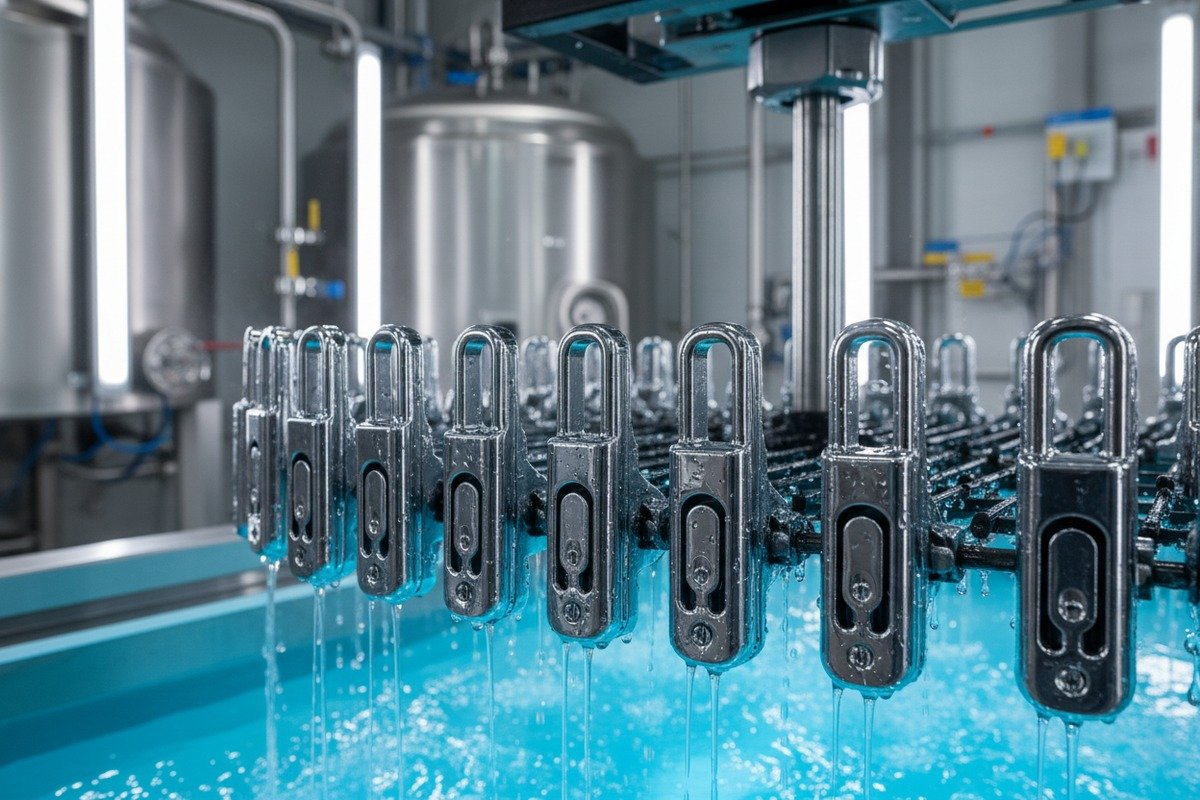
Zinc plating is an electrodeposition process. A thin layer of zinc—typically 5 to 25 microns thick—is deposited onto the steel surface. The key principle is sacrificial protection 2. Zinc is more electrochemically active than steel. When moisture reaches the surface, the zinc corrodes first. It sacrifices itself to protect the underlying steel.
This is why even if the coating gets scratched, the steel stays protected. The zinc around the damaged area corrodes preferentially. This mechanism is called cathodic protection 3.
Different plating thicknesses serve different environments. ASTM B633 defines service condition classes:
| Service Condition | Zinc Thickness | Typical Environment | White Rust Resistance |
|---|---|---|---|
| SC1 (Mild) | 5 μm | Indoor, dry | 24–48 hrs |
| SC2 (Moderate) | 8 μm | Indoor, occasional condensation | 48–72 hrs |
| SC3 (Severe) | 12 μm | Outdoor, temperate climate | 72–120 hrs |
| SC4 (Very Severe) | 25–50 μm | Marine, industrial, high humidity | 120–200+ hrs |
For cam locks used in outdoor enclosures, SC3 or SC4 is the starting point. But zinc plating alone—even at SC4 thickness—typically tops out at 300 to 500 hours before red rust appears. That is where the next layers come in.
Why Powder Coating Alone Falls Short
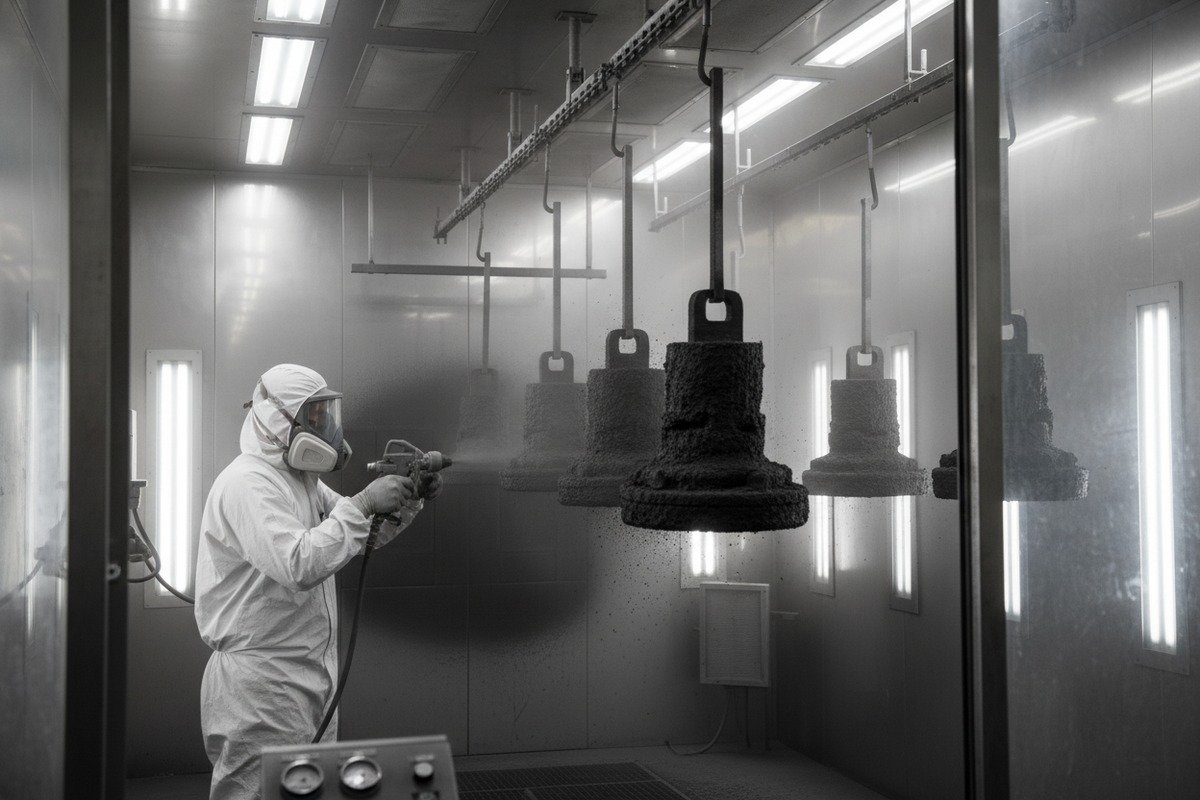
Powder coating applies a dry polymer powder electrostatically. It cures at 180–200°C to form a thick, uniform organic barrier. Standard polyester powder coatings run 60 to 120 microns thick. This barrier blocks moisture, oxygen, and salt from reaching the metal.
The problem? Powder coating is a barrier system only. If it gets scratched, chipped, or nicked—common on cam locks that endure repeated operation and tool contact—moisture reaches bare steel directly. Without sacrificial protection underneath, red rust starts fast.
Our engineers have seen powder-coated cam locks on bare steel fail at scratch points within 200 hours of salt spray. The coating around the scratch delaminates as corrosion undercuts it.
The Duplex Advantage
Combining both layers solves each system's weakness. Zinc handles the scratches. Powder coating handles the broad-surface sealing. Together, they create what coating scientists call a duplex system 4. Research consistently shows duplex systems last 1.5 to 2.5 times longer than the sum of each layer's standalone performance.
Post-plating treatments matter enormously too. Chromate conversion coatings 5 or modern chromate-free passivates add another 72 to 200 hours of white rust resistance. A topcoat sealer over the passivate can push zinc-only systems to 500+ hours. Layer powder coating on top, and you build a system that handles the most aggressive industrial and coastal environments.
How does 500-hour salt spray resistance help my enclosures meet NEMA 4X or IP66 standards?
Our export customers in the US and Europe often ask us a direct question: "Will these locks help me pass NEMA 4X 6 certification?" The answer involves understanding what salt spray testing proves—and what it does not.
Achieving 500+ hours of salt spray resistance per ASTM B117 directly supports NEMA 4X and IP66 compliance by demonstrating that cam lock hardware will not corrode and compromise the seal integrity of enclosures exposed to washdown, coastal, or chemically aggressive environments over their intended service life.
Understanding Salt Spray Testing
Salt spray testing follows ASTM B117 7 or ISO 9227. The test chamber maintains 35°C with a continuous 5% sodium chloride fog. Coated test panels or actual components sit inside for hundreds or thousands of hours. Inspectors check for white rust (zinc corrosion), red rust (steel corrosion), blistering, and creepage from scribe lines.
Here is what the numbers mean in practice:
| Test Metric | What It Measures | Acceptable Threshold |
|---|---|---|
| Hours to white rust | Zinc layer degradation | 120–200 hrs minimum for outdoor use |
| Hours to red rust | Steel substrate exposure | 500+ hrs for severe environments |
| Scribe line creep | Corrosion spread from intentional scratch | Less than 2–5 mm from scribe |
| Blistering rating | Coating adhesion failure | ASTM D714 rating 8 or better |
A 500-hour result with no red rust and scribe creep under 2 mm tells an enclosure manufacturer that the lock hardware will not become the weak link in their NEMA 4X or IP66 rated cabinet 8.
NEMA 4X and IP66: What They Require
NEMA 4X enclosures must resist corrosion, windblown dust, rain, splashing water, and hose-directed water. IP66 covers dust-tight protection and powerful water jets. Neither standard specifies a precise salt spray hour requirement for individual hardware components. But they do require the complete enclosure—including its locks, latches, hinges, and gaskets—to maintain its protective integrity over time.
If a cam lock corrodes, it can compromise the gasket seal. A rusted latch may not close flush. A seized lock cylinder fails to operate. Any of these issues causes the enclosure to lose its rating in real-world use, even if it passed initial IP testing.
Why 500 Hours Is the Industry Benchmark
The 500-hour mark has become the de facto specification for hardware components in NEMA 4X enclosures. When we supply locks to enclosure builders targeting C4 or C5-M corrosivity classes per ISO 12944 9, the 500-hour salt spray threshold is nearly universal in their incoming quality requirements.
It is worth noting the limitations. Salt spray is an accelerated test. It does not perfectly predict field life. A lock that survives 500 hours in the chamber might last 5 years outdoors in a mild coastal area or 15 years inland. Variables like UV exposure, temperature cycling, mechanical wear, and chemical contact all play roles that salt spray cannot replicate.
Critics rightly call salt spray testing a comparative tool, not an absolute predictor. But it remains the most widely accepted benchmark. When your customer asks for documentation, a 500-hour ASTM B117 report is what they expect—and what we provide with every batch.
What specific durability benefits will my outdoor cabinets gain from this dual-layer corrosion protection?
On our production floor, we run side-by-side comparisons constantly—single-layer versus duplex-coated cam locks exposed to identical salt spray conditions. The performance gap is dramatic and consistent.
Dual-layer zinc plating and powder coating gives outdoor cabinets extended corrosion life at scratches and edges, superior UV and chemical resistance, maintained gasket compression from non-corroded latches, reliable lock operation over years, and reduced warranty claims—all critical for telecom, energy storage, and industrial automation enclosures.
Edge and Scratch Protection
Cam locks have complex geometries. Keyways, cam arms, mounting threads, and rotating shafts all create edges and recesses where coatings thin out naturally. These are the first failure points.
Zinc plating underneath ensures that even where the powder coating is thinnest—edges, threads, tight corners—there is active corrosion protection. When the powder coat gets scratched during installation or operation, the zinc layer continues protecting the exposed area. This is why duplex systems show scribe creep under 2 mm after 500 hours, while powder-only systems on bare steel can show 5–10 mm of creep in the same timeframe.
UV and Weather Resistance
Outdoor cabinets for telecom base stations, EV chargers, and solar inverters face direct sunlight. Standard polyester powder coatings offer good UV resistance. Super-durable polyester formulations—which we specify for coastal and desert projects—retain gloss and color for 10+ years of outdoor exposure.
The zinc layer underneath is completely shielded from UV by the powder coat. It only activates when the barrier is breached. This means the sacrificial protection remains fully intact until actually needed.
Mechanical Durability in the Field
Cam locks get operated repeatedly. Technicians use keys, tools, and sometimes brute force. The powder coating provides a hard, wear-resistant surface—typically pencil hardness of 2H to 4H depending on the formulation. This reduces scratching during normal use.
When we test our duplex-coated locks on a cycling rig—10,000 open-close cycles—the coating shows minimal wear at the cam contact points. Compare this to zinc-only finishes, which show visible wear and white rust initiation within 2,000 cycles in humid conditions.
Comparison: Single-Layer vs. Duplex System Performance
| Performance Metric | Zinc Plating Only (SC4 + Topcoat) | Powder Coating Only (on phosphated steel) | Duplex System (Zinc + Powder) |
|---|---|---|---|
| Salt spray to red rust | 300–500 hrs | 500–750 hrs | 750–1500+ hrs |
| Scratch/scribe protection | Active (sacrificial) | None (barrier only) | Active + barrier |
| UV resistance | Poor (zinc oxidizes) | Good to excellent | Excellent |
| Edge coverage | Good (electrodeposited) | Fair (electrostatic limits) | Best combined |
| Mechanical wear resistance | Low (thin metallic layer) | High (hard polymer) | High with backup |
| Cost relative to zinc only | Baseline | 1.2–1.5× | 1.5–2.0× |
The cost premium for a duplex system is real. But when you factor in reduced field failures, lower warranty costs, and the ability to meet higher corrosivity class specifications, the ROI is clear—especially for cabinets deployed in C4 or C5-M environments.
Real-World Impact: Warranty and Reliability
One of our distribution cabinet customers in the southeastern United States switched from zinc-only latches to our duplex-coated cam locks three years ago. Their annual warranty claims related to hardware corrosion dropped by over 70%. The coastal humidity and salt air that destroyed previous locks could not penetrate the combined system.
This is the kind of result that procurement managers like Thomas—who values consistency and reliability—need to justify the per-unit cost increase to their finance teams.
Can I customize the finish and specifications of these high-resistance locks for my OEM project?
When we work with OEM enclosure builders, the conversation always starts with "can you match our existing finish?" and quickly moves to "can you engineer the coating system around our specific environmental requirements?" The answer to both is yes.
These high-resistance cam locks are fully customizable for OEM projects. You can specify zinc alloy type, plating thickness, passivation chemistry, powder coat color, texture, gloss level, and polymer formulation. Our engineering team provides free CAD design services, sample production, and salt spray test reports tailored to your exact specification requirements.
Finish Options We Offer
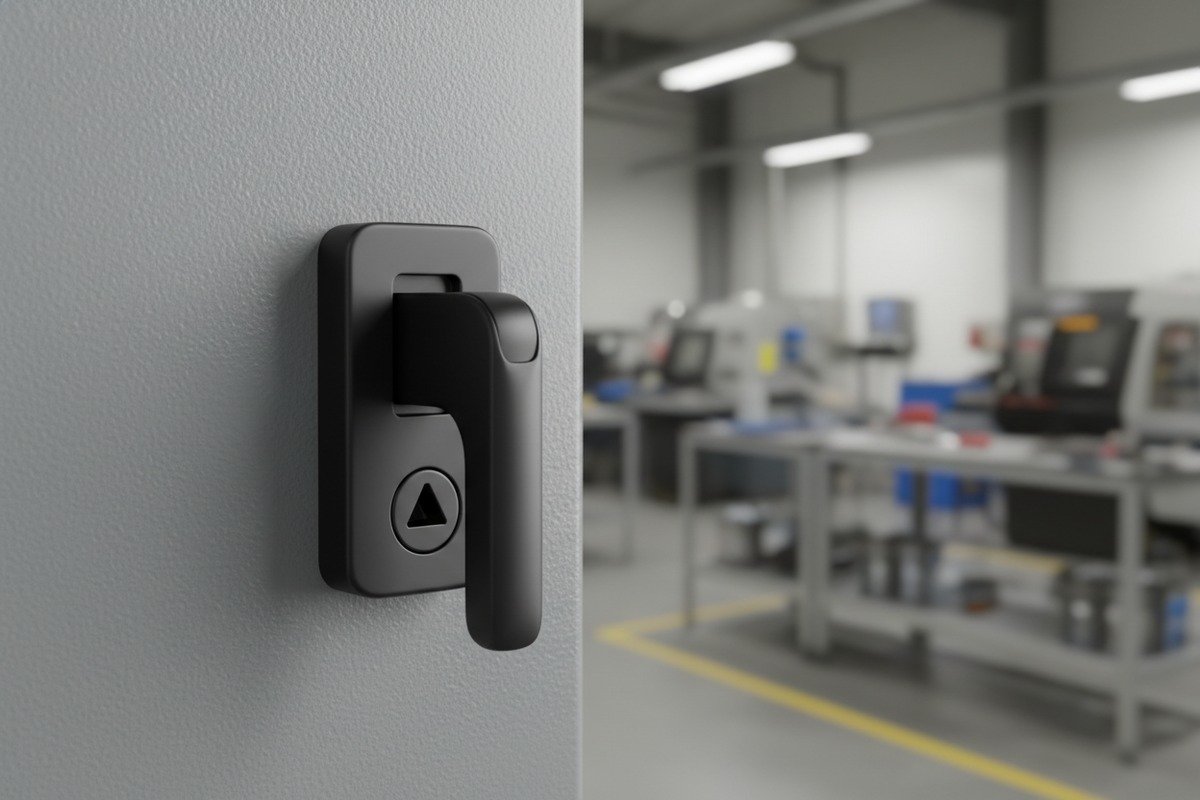
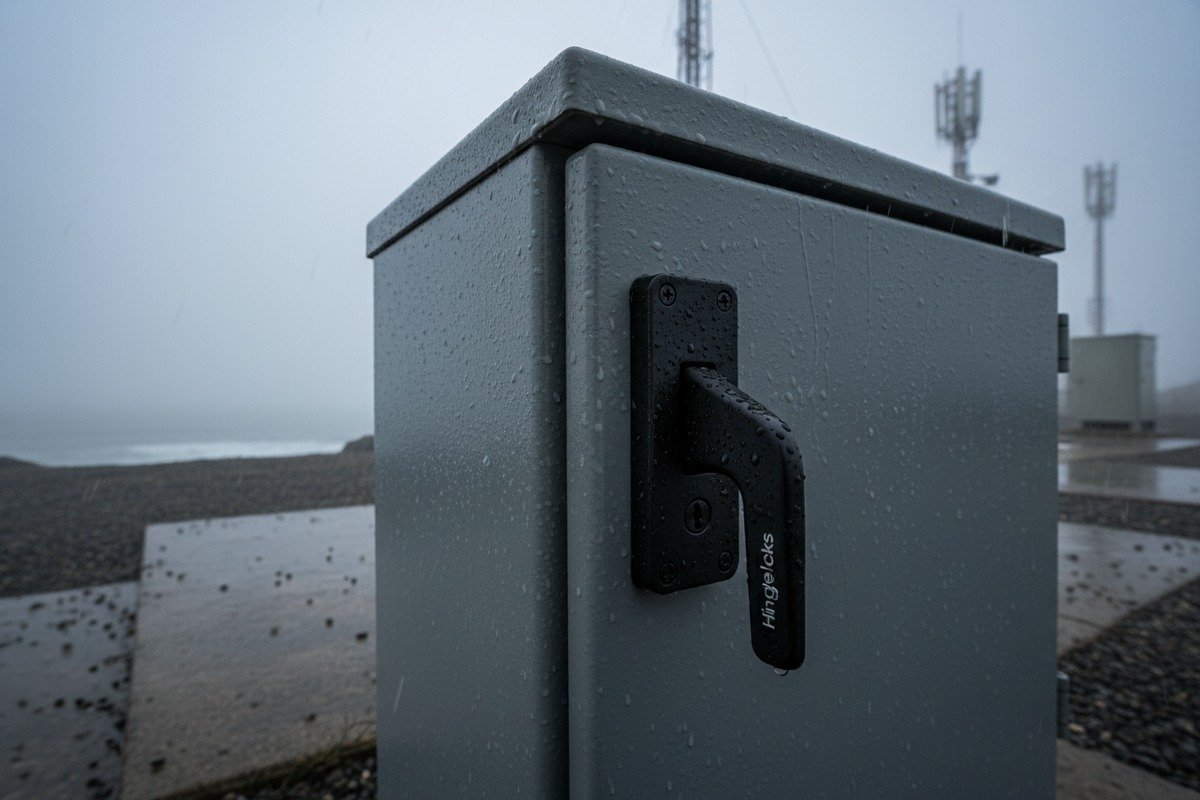
Our current cam lock range includes matte black, polished chrome, satin nickel, and custom RAL colors. The matte black cam latches with triangular drive sockets and L-shaped locking arms shown in our product line use a powder-over-zinc system. The polished chrome cam locks use a decorative nickel-chrome plating over zinc for aesthetic applications where appearance matters as much as corrosion resistance.
For swing handle latches with integrated keyholes, we typically recommend matte black super-durable polyester over zinc-iron plating. This combination delivers both the professional appearance OEM customers want and the 500+ hour salt spray resistance their end users demand.
Specifying the Right System for Your Environment
Not every project needs the same coating system. A server rack in a climate-controlled data center has very different needs than an outdoor EV charger pedestal in Miami. Here is how we guide customers through the specification process:
Step 1: Define your corrosivity class. ISO 12944 classes range from C1 (dry interiors) to C5-M (marine splash zones). Most of our customers target C3 to C5-I.
Step 2: Choose the zinc layer. For C3, standard alkaline zinc at 8–12 μm with trivalent chromate passivation works well. For C4 and above, we recommend zinc-iron alloy (130 ppm iron content in the bath) with black passivation and a nanoceramic topcoat sealer. This combination alone hits 1,000+ hours to red rust.
Step 3: Select the powder coating. Standard polyester for indoor and sheltered outdoor. Super-durable polyester with anti-corrosion additives (TiO2, ZnO, micaceous iron oxide) for fully exposed outdoor applications. B-HAA systems for customers who need specific chemical resistance.
Step 4: Set testing requirements. We run ASTM B117 salt spray on production samples. Standard reporting includes hours to white rust, hours to red rust, scribe creep measurement, and adhesion testing per ASTM D3359.
OEM Project Support and Lead Times
With 35 years of manufacturing experience and a 4,000+ square meter production facility, our team handles OEM projects from concept to delivery. We provide free CAD design files, produce samples within 7–10 days, and deliver production orders in 15–35 days depending on volume and complexity.
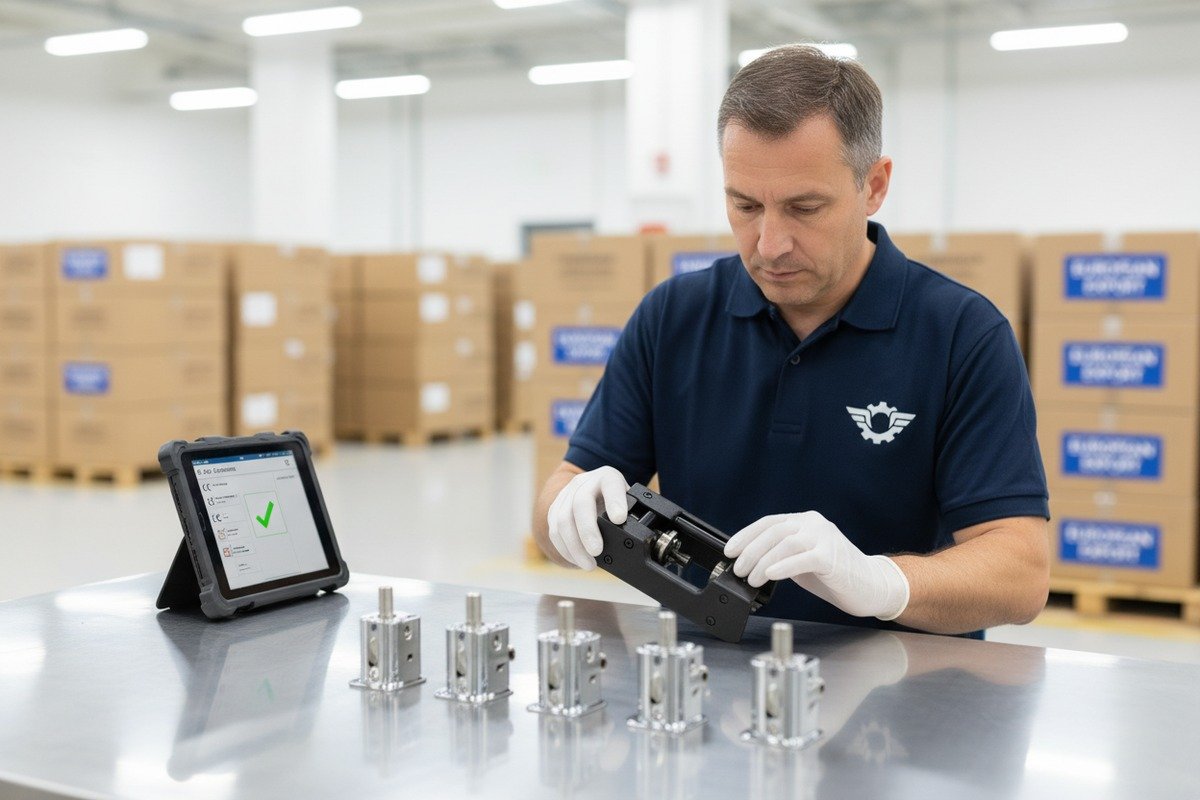
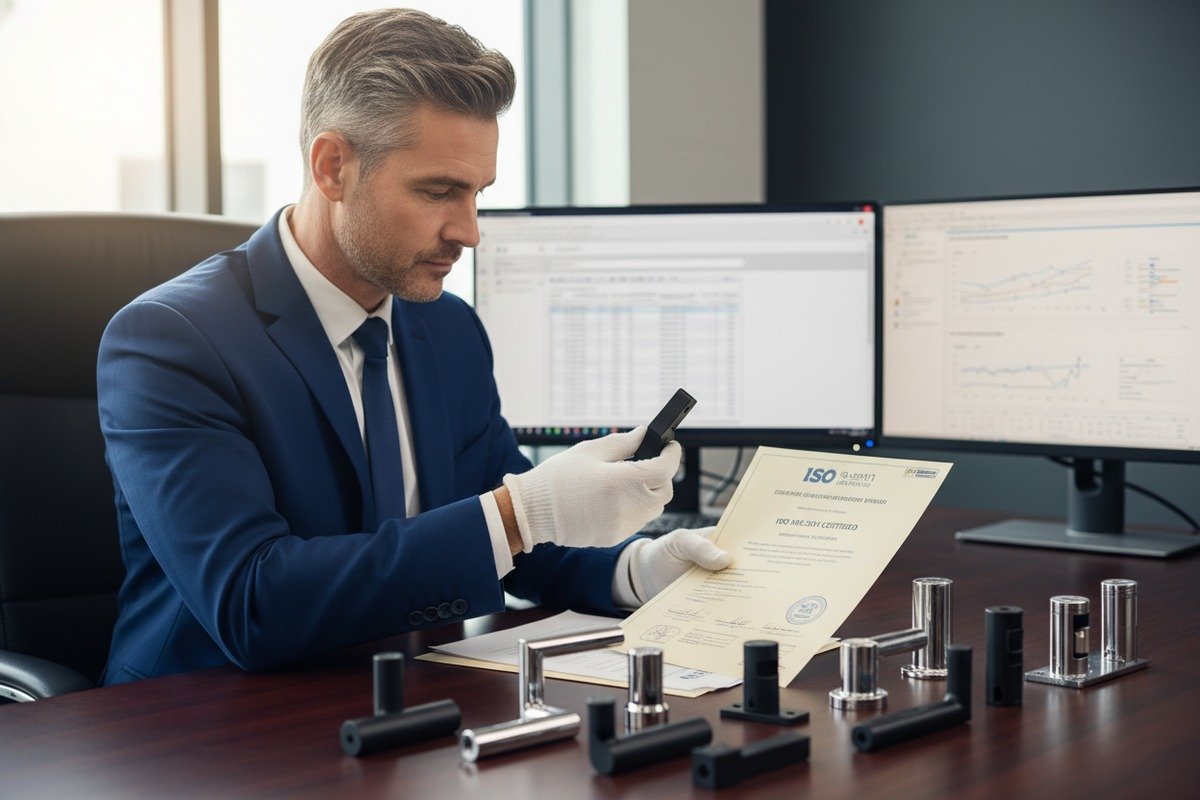
Our 35+ testing devices include salt spray chambers, hardness testers, thickness gauges, and adhesion testing equipment. Every batch ships with quality documentation. For UL, TUV, or IAPMO certified projects, we coordinate testing and provide all required compliance paperwork.
Chromate-Free and Sustainability Options
The industry is moving away from hexavalent chromium 10. All our standard passivation processes now use trivalent chromium or chromium-free alternatives. For customers in the EU market where REACH and RoHS compliance is non-negotiable, we offer fully chromate-free zinc-iron plating with nanoceramic sealers that match or exceed traditional hexavalent chromate performance.
Low-temperature zinc phosphate pretreatments (35–55°C) reduce energy consumption in our coating line. These sustainability improvements do not compromise performance—our chromate-free systems routinely pass 500 hours with no red rust and scribe creep under 3 mm.
Small-batch orders are welcome. We understand that OEM projects often start with 500–1,000 pieces for qualification before scaling to production volumes. Our minimum order quantities are designed to support this workflow without forcing customers to commit to large inventory positions before testing is complete.
Slutsats
Zinc plating and powder coating together give cam locks the layered defense outdoor enclosures demand. Specify the right duplex system, test to ASTM B117, and your hardware will perform.
Footnotes
- Specifies apparatus, reagents, and procedure for salt spray tests. ↩︎
- Describes a corrosion protection method where a more active metal corrodes preferentially. ↩︎
- Explains the electrochemical technique used to control metal corrosion. ↩︎
- Explains how a duplex system combines two coating systems for enhanced corrosion protection. ↩︎
- Describes a type of conversion coating used to passivate metals and enhance corrosion resistance. ↩︎
- Defines NEMA 4X rating for electrical enclosures, including corrosion resistance. ↩︎
- Standard practice for operating salt spray (fog) apparatus. ↩︎
- Defines IP66 rating for enclosures, indicating dust-tight and protection against powerful water jets. ↩︎
- International standard for corrosion protection of steel structures by paint systems. ↩︎
- Explains the chemical compound, its toxicity, and regulatory concerns. ↩︎






 Swedish
  English
  Spanish
  French
  German
  Japanese
  Arabic
  Korean
  Dutch
Dutch  Greek
Greek  Hindi
Hindi  Hebrew
  Italian
  Vietnamese
  Thai
Thai  Bulgarian
  Czech
Czech  Slovak
  Hungarian
  Finnish