
In outdoor power, telecommunications, or industrial automation projects, the protection of the enclosure directly determines the lifespan of expensive internal components. One of the most critical—yet often overlooked—points of vulnerability is the cabinet lock.
The most common question we receive from procurement managers is: "Do I really need IP66, or is IP65 enough?" While the numbers are close, the difference in field performance and engineering standards is significant.
Understanding the Technical Difference: IP65 vs. IP66
The IP (Ingress Protection) rating consists of two digits. The first "6" represents the highest level of dust protection (completely dust-tight). The difference lies in the second digit—water protection:
| Rating | Protection Level | Test Conditions | Real-World Scenario |
|---|---|---|---|
| IP65 | Water Jets | 6.3mm nozzle, 12.5L/min water flow for 3+ minutes. | Heavy rain, standard hose cleaning. |
| IP66 | Powerful Water Jets | 12.5mm nozzle, 100L/min water flow for 3+ minutes. | Sea waves, high-pressure washdowns. |
Engineering Perspective: What Makes an IP66 Lock Superior?
In standard locks, water typically enters through the keyhole or the seating area where the lock body meets the door panel. A high-quality IP66-rated lock incorporates specific engineering features to prevent this:
- High-Performance Gaskets: Utilizing EPDM or Silicone materials with high memory retention to ensure a tight seal against the cabinet door, even after years of UV exposure.
- Integrated Dust Caps: Spring-loaded covers that prevent direct high-pressure water impact from hitting the internal lock cylinder.
- Internal O-Rings: Micro O-rings nested within the rotating shaft of the lock to create multiple layers of physical resistance against moisture.
- Compression Mechanism: Many IP66 locks are designed as Compression Latches, which provide a mechanical "pull-in" that compresses the cabinet's main door seal, improving the integrity of the entire enclosure.
Which One Should You Choose for Your Project?
As a B2B buyer or project engineer, you can balance cost and safety by following these industry guidelines:
When to Choose IP65:
- Standard Outdoor Environments: Cabinets facing natural rainfall without extreme wind-driven water.
- Sheltered Locations: Wall-mounted boxes under eaves or within semi-protected industrial bays.
- Cost-Sensitive Projects: Where basic environmental protection is required and high-pressure cleaning is not anticipated.
When IP66 is Mandatory:
- Marine & Offshore: To withstand heavy sea spray and high-velocity wind-driven rain.
- Food & Beverage Facilities: Where equipment undergoes frequent high-pressure washdowns for sanitation.
- Mining & Heavy Industry: Areas with both high water volume and fine conductive dust.
- Solar & Energy Storage (ESS): High-value electronics and batteries are extremely sensitive to humidity; IP66 offers a higher safety margin against moisture ingress.
The Common Procurement Mistake
"My enclosure is rated IP66, so an IP65 lock should be fine, right?"
Incorrect. The protection rating of a system is only as strong as its weakest component. If you install an IP65 lock on an IP66 cabinet, the entire unit's rating drops to IP65. Water will eventually find the path of least resistance—usually the lock cylinder or the mounting hole.
Summary
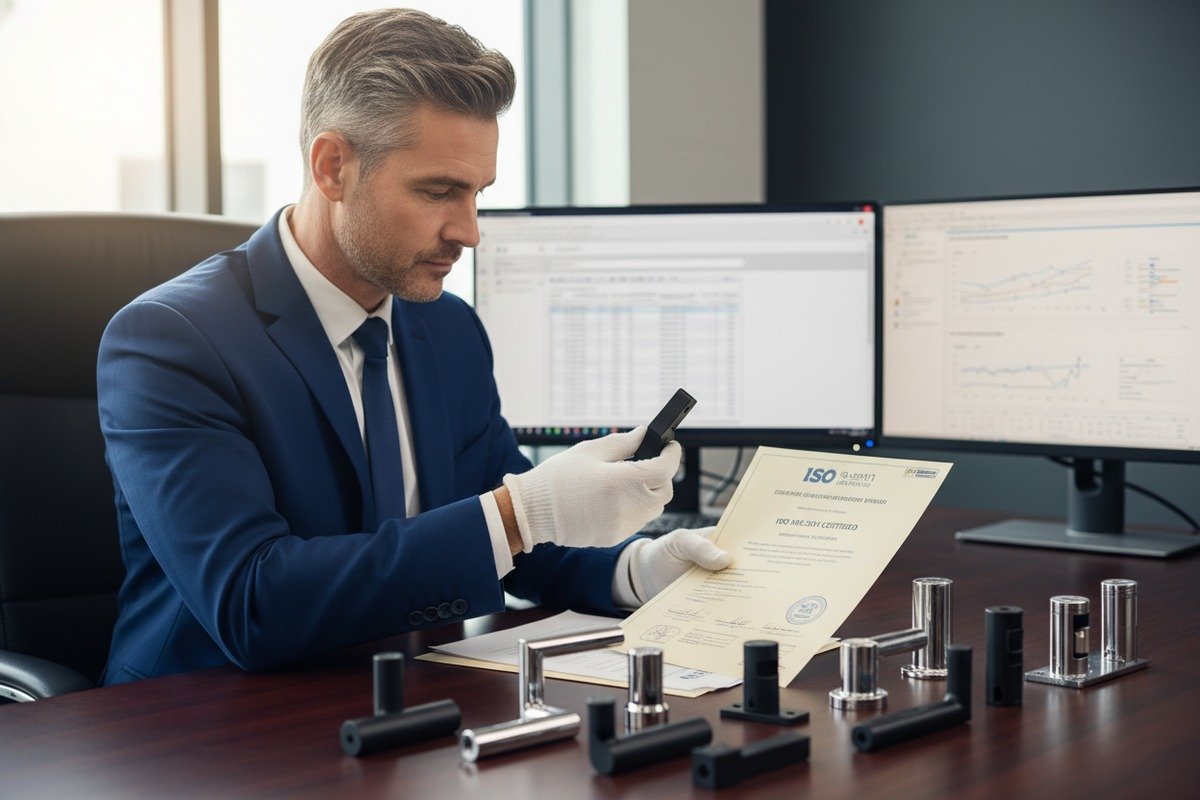
When sourcing hardware for outdoor electrical cabinets, always request third-party test reports (such as TUV, UL, or CE certifications) to verify the IP claims. Choosing the right seal today prevents expensive short-circuits and maintenance calls tomorrow.
Not sure which lock fits your specific cabinet cutout?
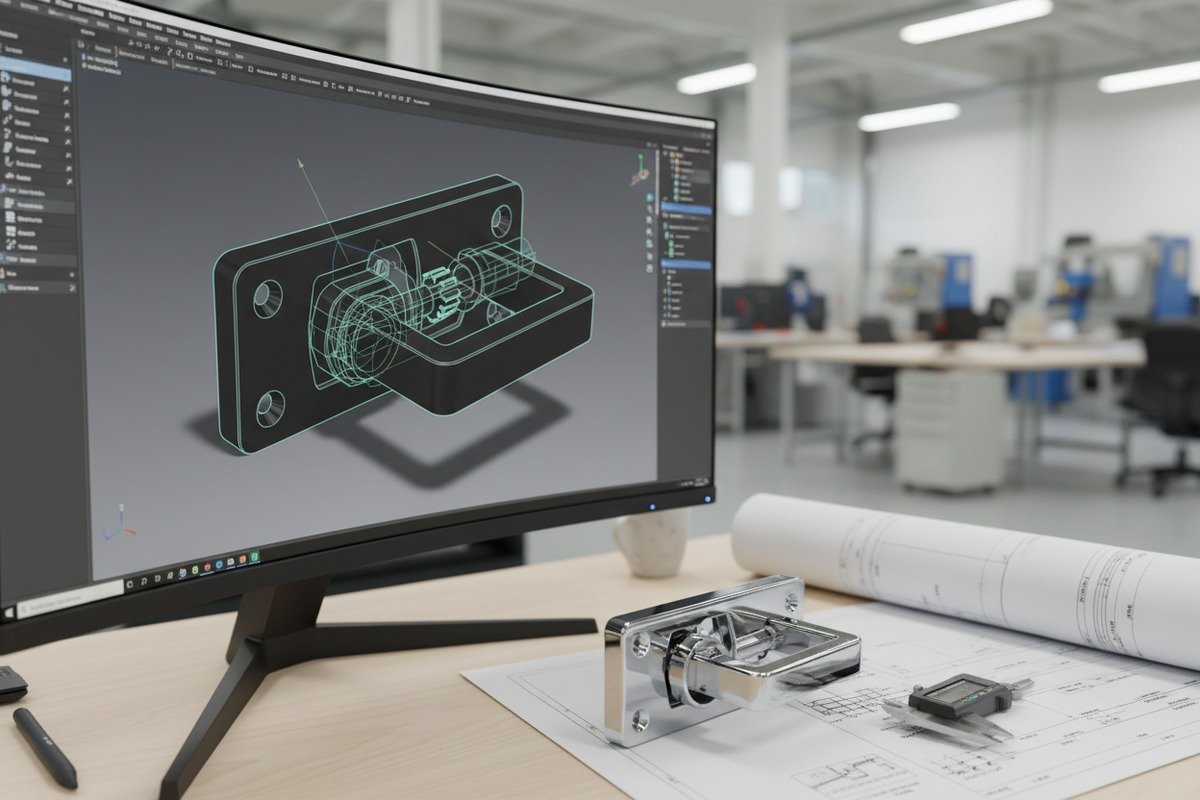
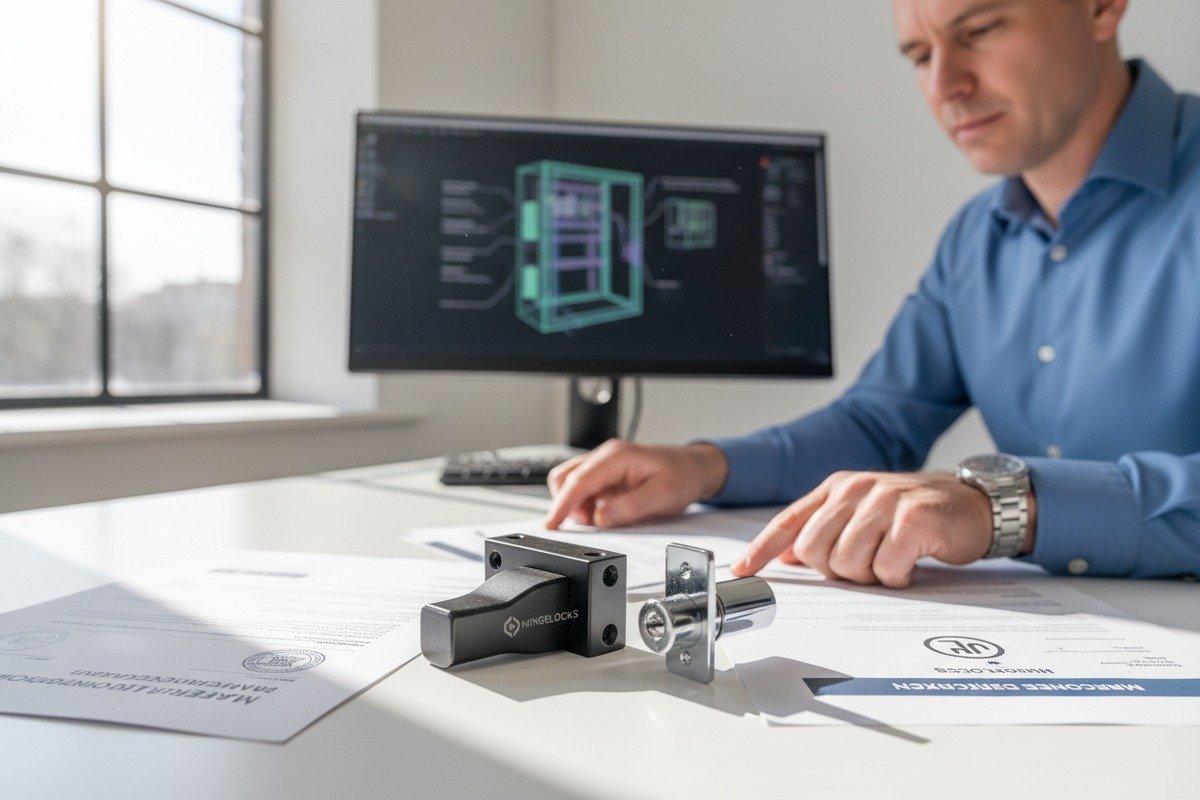
Our engineering team provides free CAD/3D model consultations to ensure 100% compatibility with your enclosure design.



 Hindi
Hindi  English
  Spanish
  French
  German
  Japanese
  Arabic
  Korean
  Swedish
  Dutch
Dutch  Greek
Greek  Hebrew
  Italian
  Vietnamese
  Thai
Thai  Bulgarian
  Czech
Czech  Slovak
  Hungarian
  Finnish