
We often overlook how crucial latches are in maintaining electrical cabinet safety. A poor latch can cause electric shock, vibration damage, or noncompliance with regulations. This article explores how industrial latches — including compression, quarter-turn, and cam latches — protect components, workers, and businesses from avoidable risks.
Industrial latches improve electrical cabinet safety by securing access, reducing vibration, and maintaining tight environmental seals that meet IP and NEMA standards.
Compression, quarter-turn, and cam latches prevent unauthorized access, protect sensitive wiring, and minimize electric shock risk.
By ensuring proper sealing against dust, water, and mechanical stress, these latches extend equipment lifespan and help facilities comply with OSHA electrical safety regulations — making them essential for safe, reliable industrial operations.
Now that we know why latches are vital, let’s take a closer look at their types, how they secure electrical cabinets, and the safety standards that govern their performance.
What Type of Latch Is Used for Electrical Cabinets?
Electrical cabinets house delicate electrical components that must stay secure and uncontaminated. The latch type you choose directly impacts safety, ease of access, and environmental protection.
- Compression latches are ideal for vibration-heavy environments, such as manufacturing floors or transport equipment. They pull the door tightly against the frame, maintaining a firm seal.
- Quarter-turn latches are common in low-vibration applications where quick access is important. Their 90° rotation ensures simple operation.
- Cam latches use a cam arm to hold doors closed, balancing affordability and reliability.
Each latch type supports IP- and NEMA-rated sealing, ensuring your electrical enclosures are protected from dust, water, and accidental access.
How Do You Secure an Electrical Cabinet Safely?
Securing an electrical cabinet is about more than locking the door. It’s about ensuring safety, accessibility, and compliance.
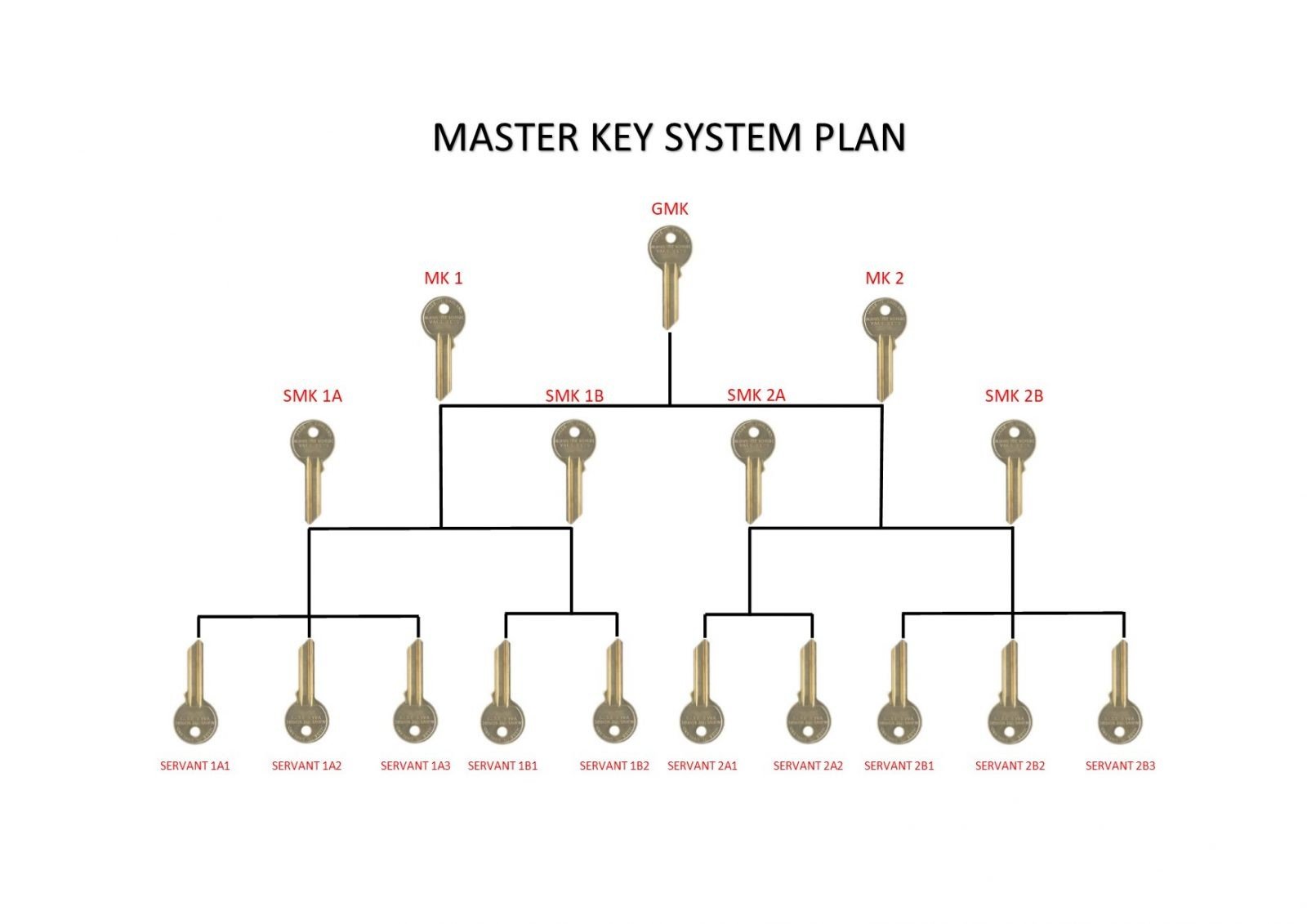
A secure latch prevents unauthorized personnel from opening panels, which reduces exposure to live components and arc flash risk. Key-operated or tool-access latches are particularly effective in industrial settings.
In vibration-heavy environments, compression latches ja quarter-turn latches maintain consistent tension, preventing accidental openings. Meanwhile, multi-point locking systems can further strengthen doors on large enclosures, ensuring both physical and environmental security.
Why Are Compression Latches Used in Industrial Enclosures?
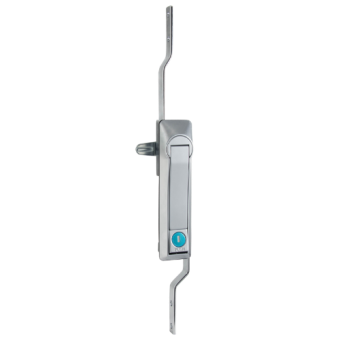
Compression latches serve a dual function — sealing and shock absorption. When closed, they compress a gasket around the cabinet frame, forming a tight barrier against dust, oil, and water ingress.
This compression mechanism minimizes vibration transfer, reducing fatigue and wear on both the latch and enclosure. In high-vibration applications like transportation, generators, or machinery housings, this feature prevents latch loosening and accidental opening.
Compression latches are also crucial for maintaining IP65–IP69K ja NEMA 4–4X ratings, making them suitable for outdoor or washdown environments.
What Standards Apply to Electrical Enclosure Latches?
Industrial latches must comply with safety and performance standards to ensure reliable operation.
- IP Ratings (Ingress Protection): Define resistance to solids and liquids (e.g., IP66 or IP67 for dustproof and waterproof enclosures).
- NEMA Standards: NEMA 4 and 4X classifications are common benchmarks for outdoor electrical enclosures. They indicate resistance to corrosion, windblown dust, and hose-directed water.
- OSHA Compliance: The Occupational Safety and Health Administration requires all enclosures to prevent accidental contact with live parts. Secure latching mechanisms are part of this compliance.
Manufacturers typically test latches for durability, vibration resistance, and sealing to meet these certifications.
How Do Industrial Latches Enhance Equipment Reliability?
Every mechanical vibration or dust intrusion can reduce the lifespan of electrical components. A well-chosen latch mitigates these issues.
By maintaining tight sealing pressure, compression and cam latches help prevent ingress that could cause short circuits or corrosion. Reduced vibration means fewer wiring disconnections and lower maintenance costs.
Reliability also extends to ergonomics — latches that are easy to operate yet secure help technicians perform maintenance safely and efficiently, reducing downtime across the facility.
Are There Different Latch Types for Indoor vs. Outdoor Applications?
Yes — environmental exposure determines which latch design performs best.
Osoitteessa indoor applications, where contamination and weather exposure are minimal, quarter-turn or cam latches offer sufficient protection and cost efficiency.
Osoitteessa outdoor or harsh environments, compression latches with IP66 or higher ratings ensure dust and water resistance. Stainless steel or zinc alloy constructions are preferred to prevent corrosion.
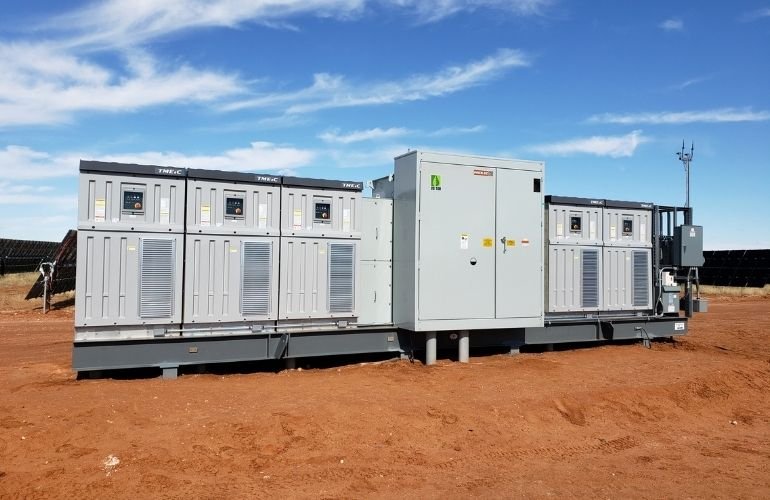
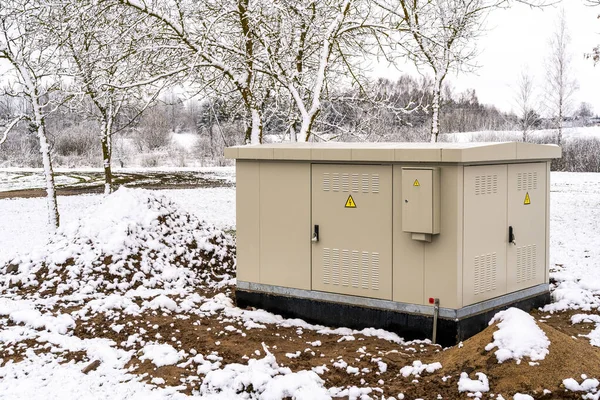
Outdoor electrical cabinets — like telecom enclosures or power distribution units — often use latches that combine mechanical strength with gasket sealing.
What Should B2B Buyers Look for When Choosing Electrical Cabinet Latches?
As a wholesaler or procurement specialist, your customers rely on you for both quality and compliance. When selecting latches for inventory or resale, consider:
- Materiaali: Stainless steel and zinc alloys offer strength and corrosion resistance.
- Latch Type: Stock multiple varieties (compression, cam, quarter-turn) to meet diverse environmental demands.
- Vaatimustenmukaisuus: Ensure latches meet IP65+, NEMA 4, tai OSHA safety standards.
- Ease of Installation: Look for universal-fit or adjustable designs to simplify integration.
- Supplier Reliability: Choose manufacturers with consistent quality assurance and certification transparency.
A well-curated product range not only satisfies safety requirements but also positions your business as a trusted source of compliant hardware solutions.
Yhteenveto
Industrial latches play a small but vital role in ensuring safety, compliance, and reliability in electrical systems. By choosing the right type — and ensuring IP, NEMA, and OSHA compliance — B2B buyers can protect workers, equipment, and reputation, while delivering long-term value to their customers.



 Finnish
  English
  Spanish
  French
  German
  Japanese
  Arabic
  Korean
  Swedish
  Dutch
Dutch  Greek
Greek  Hindi
Hindi  Hebrew
  Italian
  Vietnamese
  Thai
Thai  Bulgarian
  Czech
Czech  Slovak
  Hungarian